





Press releases
Breakthrough in Nuclear Physics: First Precise Measurements of Tellurium-104 Decay
2026-06-09

An international team of scientists has directly observed, for the first time, the exceptionally rapid alpha decay of tellurium-104 (¹⁰⁴Te) and carried out key measurements of its lifetime and decay energy. The results were published in the prestigious journal "Nature". The team, coordinated by Prof. Robert Grzywacz, included researchers from the University of Tennessee, Oak Ridge National Laboratory (ORNL), RIKEN, the University of Tokyo, the Faculty of Physics at the University of Warsaw, the National Centre for Nuclear Research, Universität zu Köln (Germany), Universidad Complutense de Madrid (Spain), Lawrence Livermore National Laboratory, and the Japan Atomic Energy Agency. Researchers from our Faculty involved in the project included Dr. hab. Agnieszka Korgul, University Professor, Dr. hab. Chiara Mazzocchi, University Professor, and Aleksandra Skruch, MSc.| More
An excellent showing by the University of Warsaw Faculty of Physics team in the 18th edition of the International Physicists’ Tournament.
2026-06-02
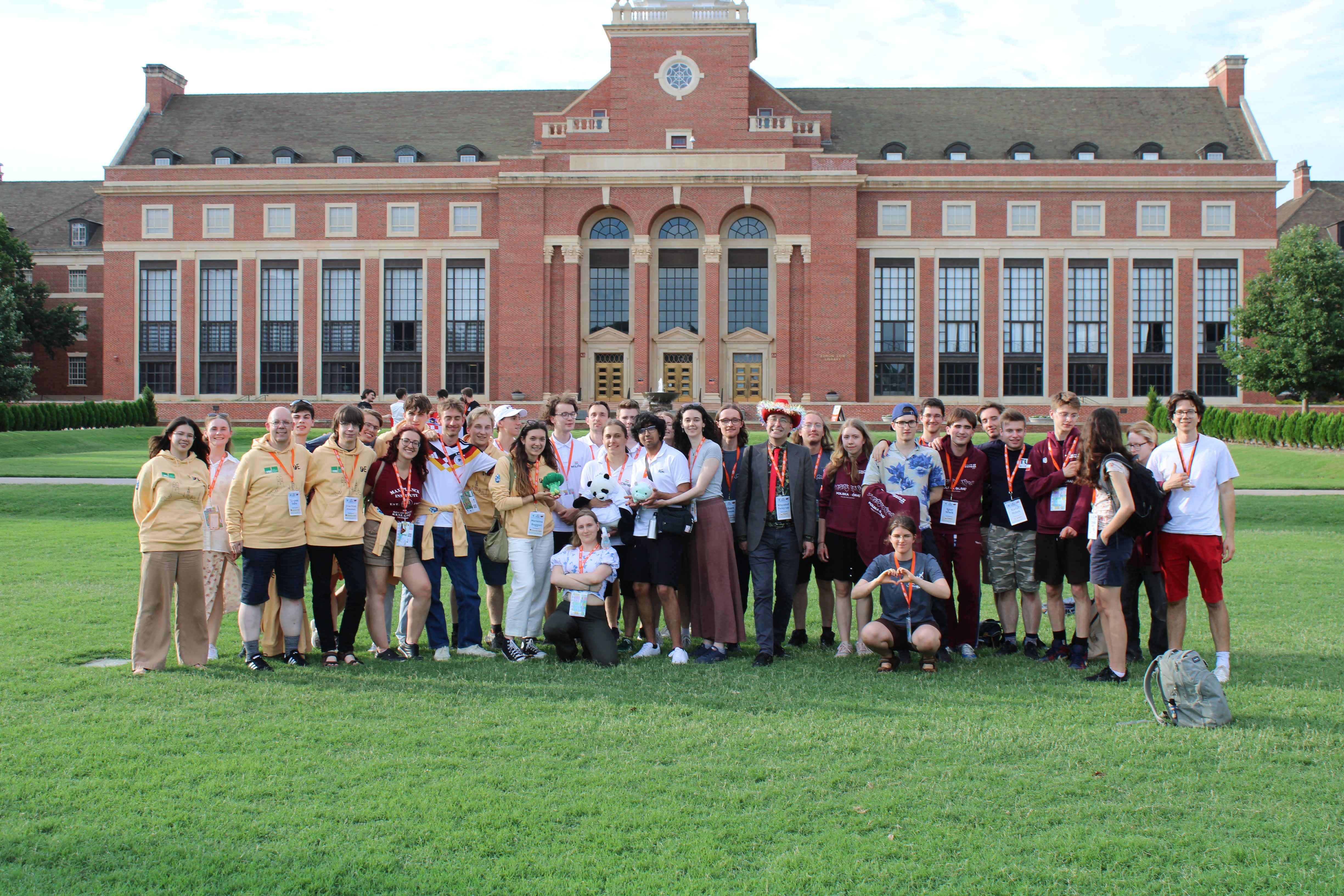
The International Physicists’ Tournament is a prestigious international team competition for physics students. This year’s edition, held from 26 to 30 May 2026 at Oklahoma State University, brought together 20 teams from around the world. Poland was represented by a team from the Faculty of Physics, University of Warsaw.
The team delivered a very strong performance, advancing to the semi-finals and placing 8th in the overall ranking. Members of the team also achieved individual distinctions: Adam Gocel received the award for the best presentation outside the main competition. At the same time, Paweł Ptaszek earned the highest score of the entire Tournament for his opposition to the solution of one of the competition problems.| Więcej
Laser tornado in a synthetic magnetic field
2026-03-27
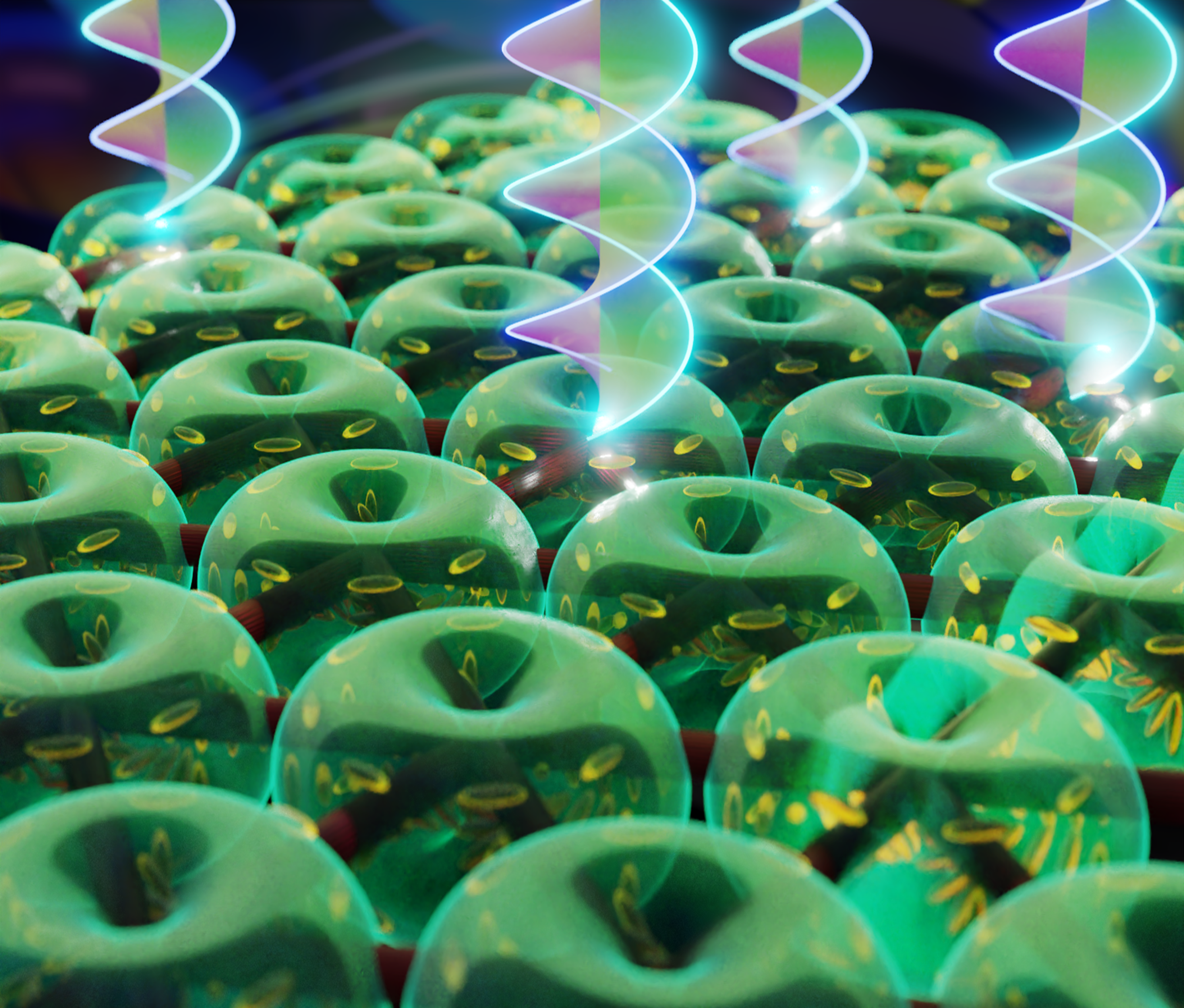
Can light behave like a whirlwind? It turns out it can – and such “optical tornadoes” have now been created in an extremely small structure by scientists from the Faculty of Physics at the University of Warsaw, the Military University of Technology, and the Institut Pascal CNRS at Université Clermont Auvergne. This discovery opens a new pathway for creating miniature light sources with complex structures, potentially enabling the development of simpler and more scalable photonic devices in the future, for applications such as optical communication and quantum technologies.| More
Light trapped in a layer thousands of times thinner than a sheet of paper
2026-03-19
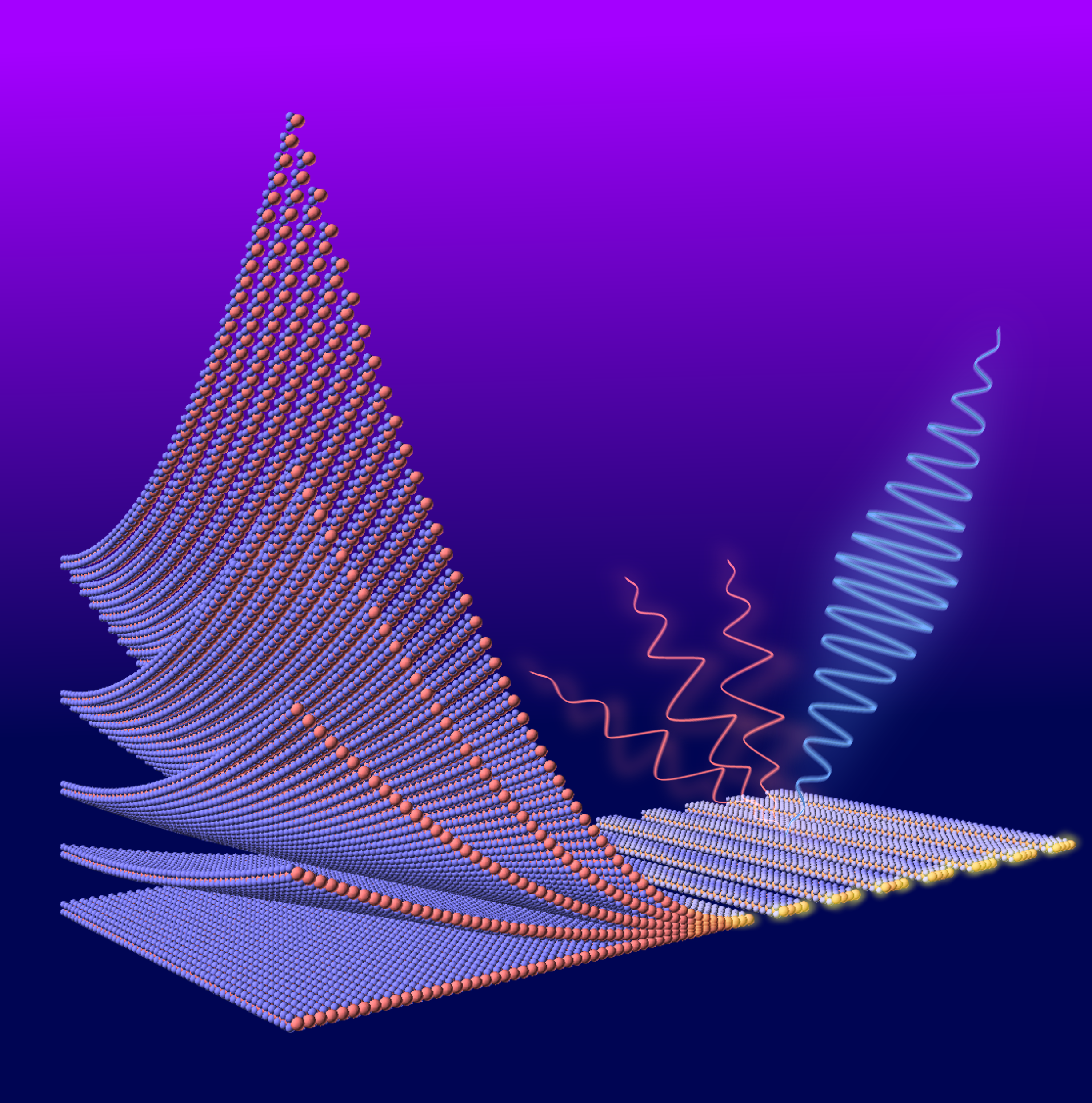
Scientists from the Faculty of Physics at the University of Warsaw, in collaboration with research groups from the Łódź University of Technology, the Warsaw University of Technology, and the Polish Academy of Sciences, have developed a structure that traps infrared light in a layer just 40 nanometers thick. To achieve this, they created a structure called a subwavelength grating using a special material – molybdenum diselenide (MoSe2). They published their results in the prestigious journal “ACS Nano”.| More
From Fullerenes to 2D Structures: A Unified Design Principle for Boron Nanostructures
2025-12-08
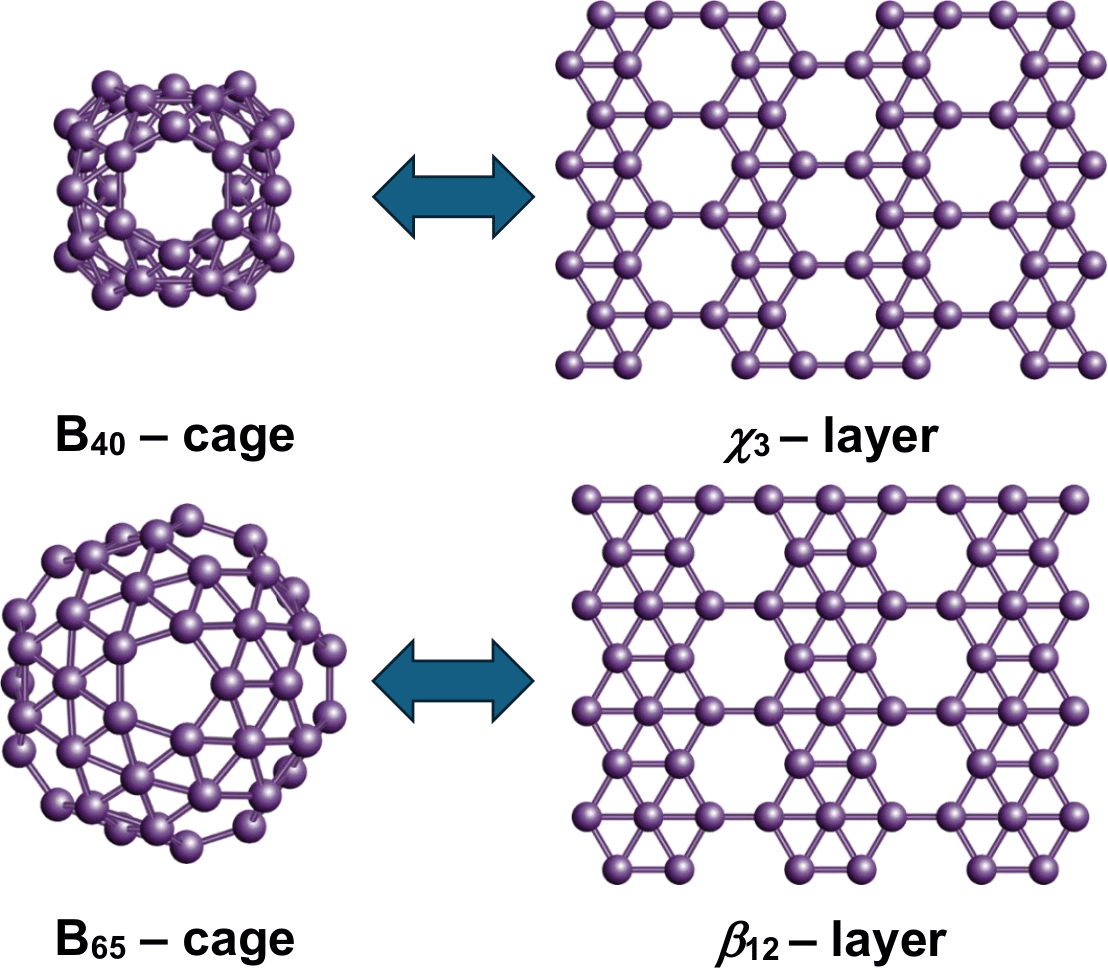
Dr. Nevill Gonzalez Szwacki from the Faculty of Physics at the University of Warsaw has developed a groundbreaking model that explains the diversity of boron nanostructures—from hollow molecular clusters to ultrathin 2D layers. His research, published in the prestigious “2D Materials”, shows that the key to the stability and electronic properties of these structures lies in the atomic coordination, the number of neighboring atoms. This discovery not only makes it possible to understand existing boron nanostructures, but also to predict and design new materials with desirable properties.| More
Rydberg-atom detector conquers a new spectral frontier
2025-12-06
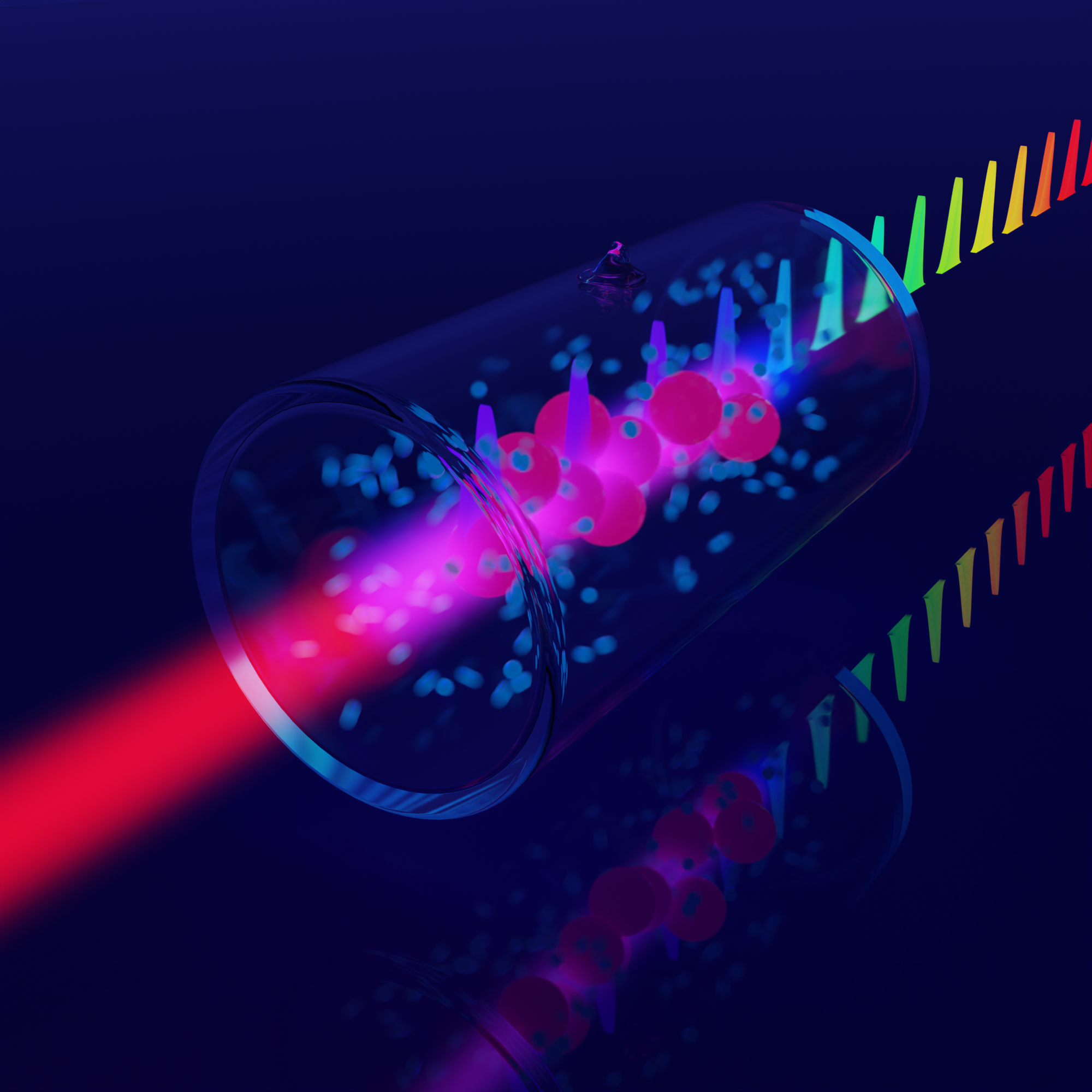
A team from the Faculty of Physics and the Centre for Quantum Optical Technologies at the Centre of New Technologies, University of Warsaw has developed a new method for measuring elusive terahertz signals using a "quantum antenna." The authors of the work utilized a novel setup for radio wave detection with Rydberg atoms to not only detect but also precisely calibrate a so-called frequency comb in the terahertz band. This band was until recently a white spot in the electromagnetic spectrum, and the solution described in the prestigious journal Optica paves the way for ultrasensitive spectroscopy and a new generation of quantum sensors operating at room temperature.| More
Drip by drip: The hidden blueprint for stalagmite growth
2025-10-18
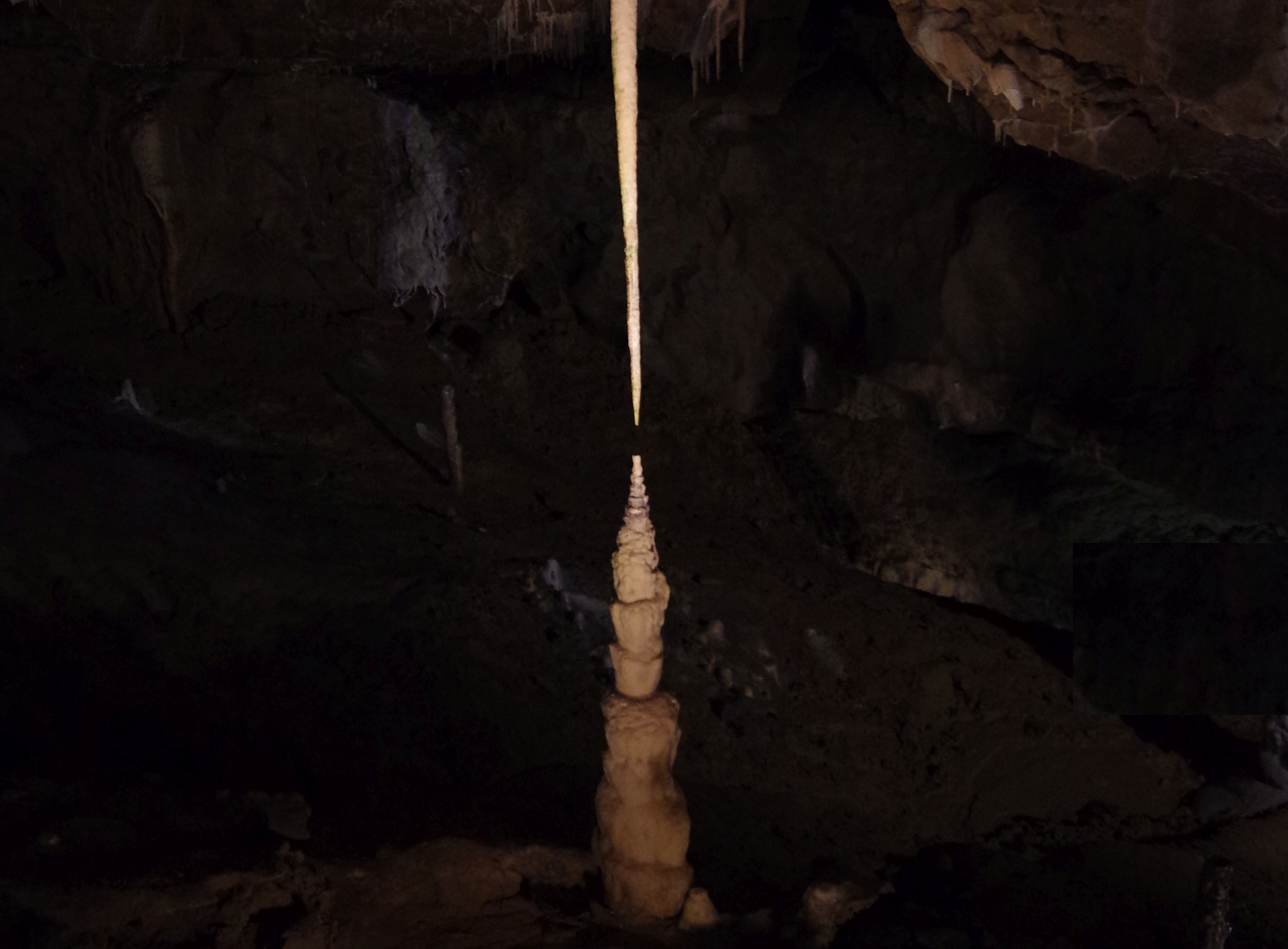
Deep inside caves, water dripping from the ceiling creates one of nature’s most iconic formations: stalagmites. These pillars of calcite, ranging from centimeters to many meters in height, rise from the cave floor as drip after drip of mineral-rich water deposits a tiny layer of stone. Beyond their beauty - echoed in fanciful nicknames like the “Minaret” or the “Wedding Cake” – stalagmites are also natural archives, recording ancient climatic changes in their layered growth, much like tree rings. But what determines the shape of a stalagmite? Why do some grow into slender cones, others into massive columns, and still others into curious flat-topped forms? A new study by researchers from Poland, the USA, and Slovenia, published in the Proceedings of the National Academy of Sciences (PNAS), provides the first complete mathematical description of stalagmite shapes.| More
Quantum radio antenna
2025-10-16
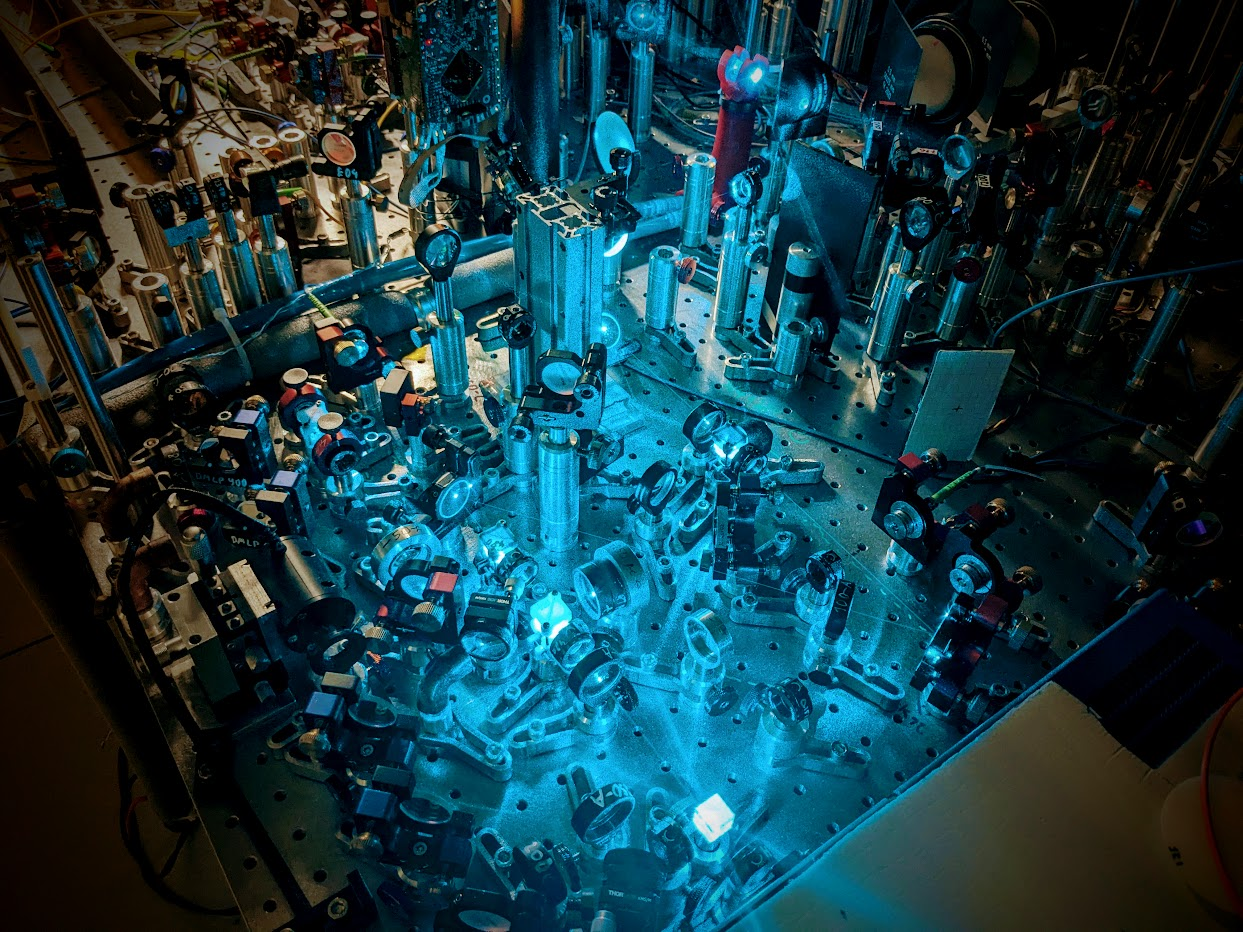
A team from the Faculty of Physics and the Centre for Quantum Optical Technologies, Centre of New Technologies at the University of Warsaw has developed a new type of all-optical radio receiver based on the fundamental properties of Rydberg atoms. The new type of receiver is not only extremely sensitive, but also provides internal calibration, and the antenna itself is powered only by laser light. The results of the work, in which Sebastian Borówka, Mateusz Mazelanik, Wojciech Wasilewski and Michał Parniak participated, were published in the prestigious journal Nature Communications. They open a new chapter in the technological implementation of quantum sensors.| More
Amplifying collective light emission with atomic interactions
2025-10-10

A team of physicists from the Faculty of Physics at the University of Warsaw, the Centre for New Technologies at the University of Warsaw (Poland), and Emory University (Atlanta, USA) analysed how atoms’ mutual interactions change the way they collectively interact with light. In a paper just published in Physical Review Letters, the researchers extend established models of this phenomenon. By showing that direct atom-atom interactions can strengthen a collective burst of light known as superradiance, the team points to new opportunities for quantum technologies.| More
Next-Generation Quantum Communication
2025-10-02
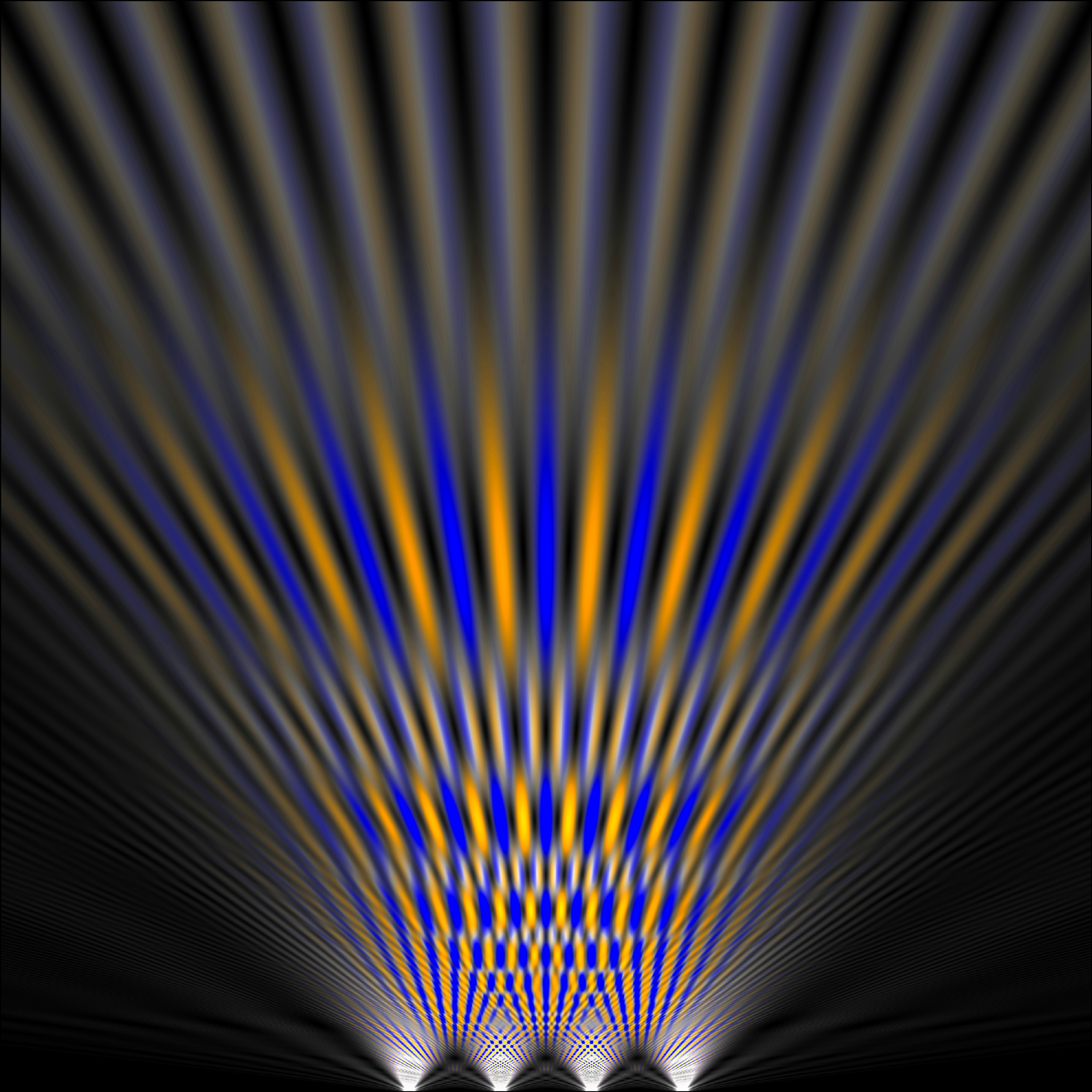
In the era of instant data exchange and growing risks of cyberattacks, scientists are seeking secure methods of transmitting information. One promising solution is quantum cryptography – a quantum technology that uses single photons to establish encryption keys. A team from the Faculty of Physics at the University of Warsaw has developed and tested in urban infrastructure a novel system for quantum key distribution (QKD). The system employs so-called high-dimensional encoding. The proposed setup is simpler to build and scale than existing solutions, while being based on a phenomenon known to physicists for nearly two centuries – the Talbot effect. The research results have been published in prestigious journals: “Optica Quantum”, “Optica”, and “Physical Review Applied”. | More