



Faculty of Physics
Welcome to the website of the Faculty of Physics at the University of Warsaw

The Faculty of Physics is a large research and teaching center. It consists of the Institutes of Theoretical Physics, Experimental Physics, Geophysics, and the Department of Mathematical Methods in Physics.
The Faculty is regarded as one of the best in the country, recognized internationally for the high quality of research and education.
News
Warsaw Becomes the Capital of High Magnetic Fields
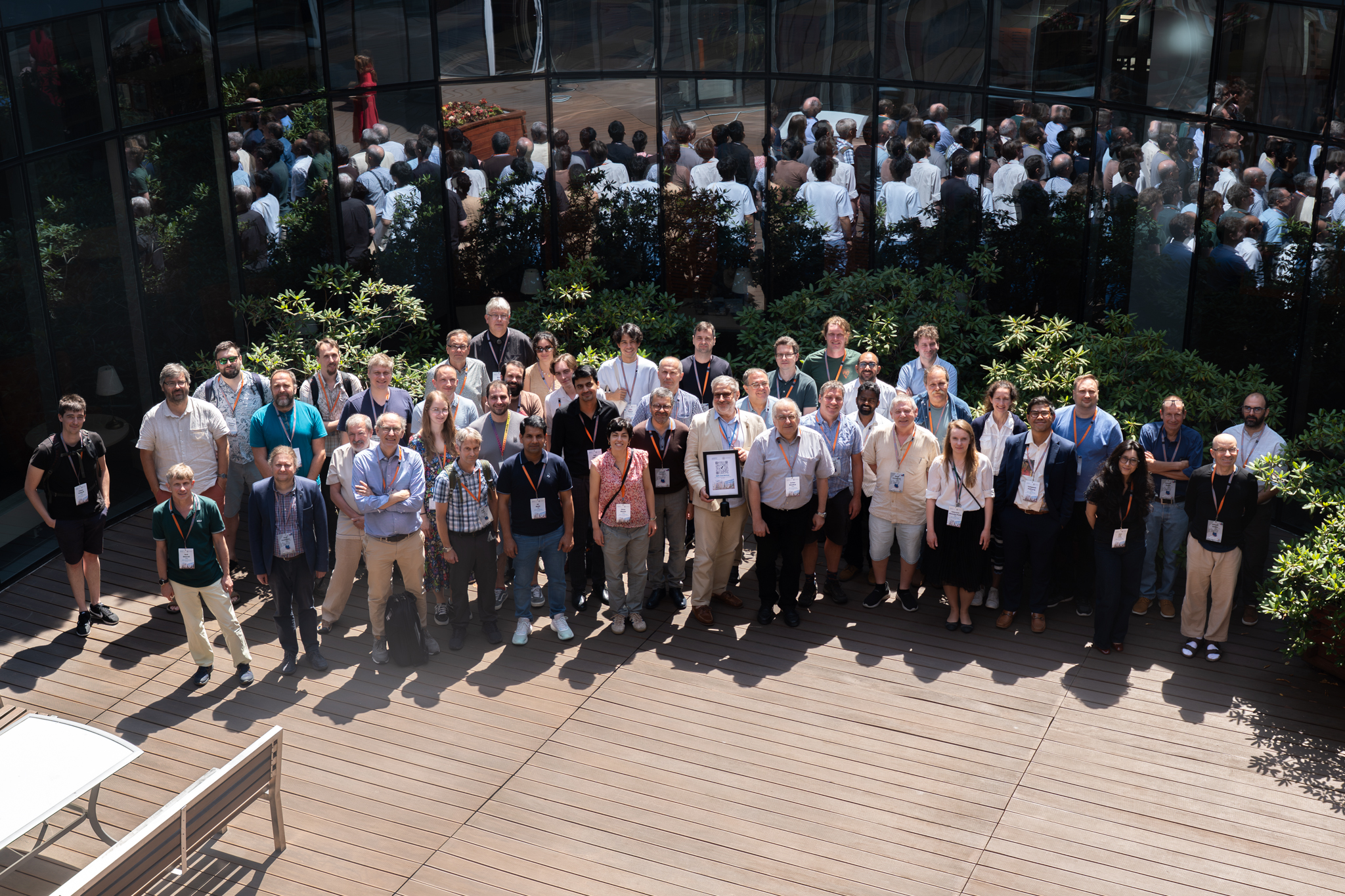
The Magnetic Fields in Materials Research workshop and the annual EMFL User Meeting, held on 29–30 June 2026 at the Faculty of Physics of the University of Warsaw, brought together researchers from Poland and across Europe. The meetings provided an opportunity to present the latest research findings, exchange experience, and establish collaborations within the European Magnetic Field Laboratory (EMFL).|More
Super-Kamiokande Reports the First Indication of the Diffuse Supernova Neutrino Background
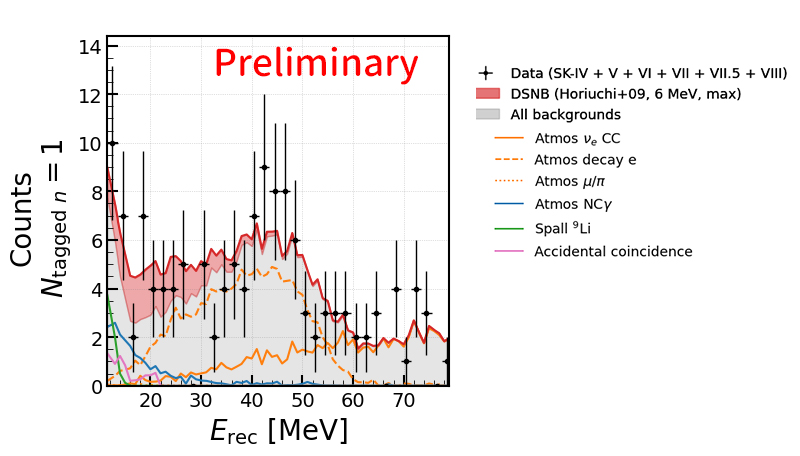
The research results were presented on June 25, 2026, at Neutrino 2026: XXXII International Conference on Neutrino Physics and Astrophysics, held at the University of California, Irvine, USA.
Summary
The Super-Kamiokande Collaboration*1 has, for the first time in the world, found an indication of the Diffuse Supernova Neutrino Background (DSNB)*2 at a significance level of 2.6 sigma (99.5% confidence level). This result was obtained through a detailed analysis of approximately 5,000 days of observational data, combining the pure-water operation period (3,349 days between 2008 and 2020) and the gadolinium*3-loaded period (1,653 days from 2020 to the present). The DSNB is the integrated flux of neutrinos originating from all core-collapse supernovae*4 throughout cosmic history, and its direct detection has been a long-standing goal since the launch of the Super-Kamiokande (SK) project. This achievement provides an important clue for deepening our understanding of the history of cosmic star formation and nucleosynthesis.|More
Prof. Witold Nazarewicz Elected Foreign Member of the Polish Academy of Sciences
During the 156th Session of the General Assembly of the Polish Academy of Sciences, new foreign members of the Polish Academy of Sciences were elected. This distinction is awarded to outstanding scholars from outside Poland whose scientific achievements are of significant importance for the development of global science and international cooperation. Among those elected was Prof. Witold Nazarewicz, a researcher from our Faculty.|More
Single Photons from Two-Dimensional ZnPS₃ – An Important Step for Quantum Technologies
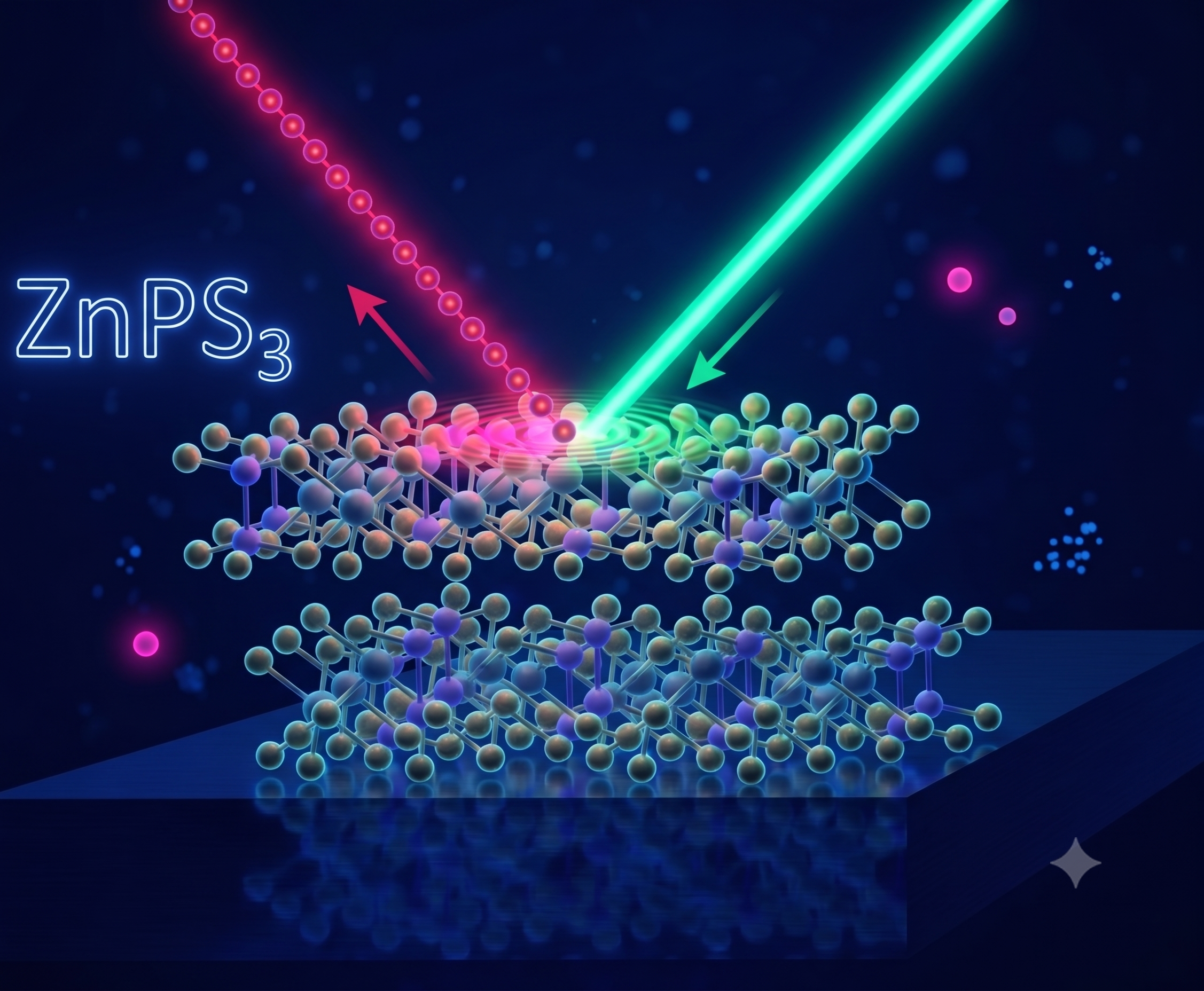
Scientists from the Faculty of Physics at the University of Warsaw, in collaboration with teams from the National University of Singapore and Radboud University in Netherlands, have observed single photon emission from layered two-dimensional material ZnPS₃ . This discovery represents a crucial step toward establishing low dimensional materials as a versatile platform for quantum information science. The research findings were published in the prestigious journal “ACS Nano”.| More
Electrically tunable “super-lasers”
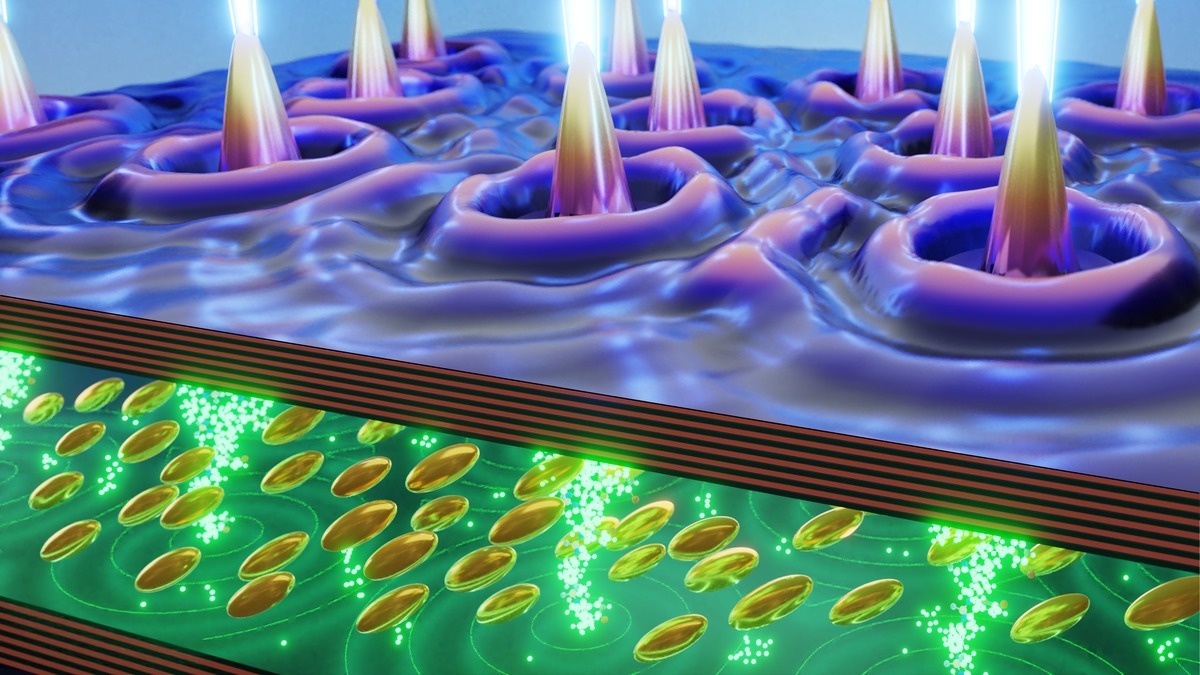
Researchers demonstrate a new way to make spatially separated lasers synchronize and act as a single coherent light source – without extreme conditions or complex materials.
A team of physicists from the University of Southampton (UK), University of Warsaw (PL), Military University of Technology (PL), Institut Pascal, Université Clermont Auvergne, CNRS (FR), and CNR (IT) has developed a new class of tunable photonic devices in which multiple tiny laser beams spontaneously synchronize and behave as a unified, spatially extended, and coherent light source. Remarkably, this effect is achieved at room temperature using a simple system based on liquid crystals and organic dye molecules, opening new possibilities for low-cost and reconfigurable optical technologies.| More
Breakthrough in Nuclear Physics: First Precise Measurements of Tellurium-104 Decay

An international team of scientists has directly observed, for the first time, the exceptionally rapid alpha decay of tellurium-104 (¹⁰⁴Te) and carried out key measurements of its lifetime and decay energy. The results were published in the prestigious journal "Nature". The team, coordinated by Prof. Robert Grzywacz, included researchers from the University of Tennessee, Oak Ridge National Laboratory (ORNL), RIKEN, the University of Tokyo, the Faculty of Physics at the University of Warsaw, the National Centre for Nuclear Research, Universität zu Köln (Germany), Universidad Complutense de Madrid (Spain), Lawrence Livermore National Laboratory, and the Japan Atomic Energy Agency. Researchers from our Faculty involved in the project included Dr. hab. Agnieszka Korgul, University Professor, Dr. hab. Chiara Mazzocchi, University Professor, and Aleksandra Skruch, MSc.| More
Two projects involving Polish research teams awarded in the 5th edition of the QuantERA call.

In the call for international research projects in quantum technologies, organized by the QuantERA network (Research Funders for Quantum Technologies) and coordinated by the National Science Centre, 39 winning projects were selected from among 287 submitted proposals, including 7 involving researchers from Poland. Two projects will be carried out with the participation of researchers from the Faculty of Physics at the University of Warsaw:
Dr. hab. Jan Chwedeńczuk, Professor at the University of Warsaw, from the Department of Quantum and Atomic Optics at the Institute of Theoretical Physics, will carry out the INTEGRA project — New Methods in Matter-Wave Interferometry in Atomic Traps — in cooperation with teams from Austria, France, Germany, and Italy;
Dr. hab. Michał Karpiński from the Division of Optics at the Institute of Experimental Physics will carry out the QUICFIRE project — QUantum Internet Components in all-FIbre REalisation for low-loss entanglement distribution — in cooperation with teams from Austria and the United Kingdom.|More
Students of the Faculty of Physics, University of Warsaw, in the PLANCKS 2026 finals
On 21–25 May 2026, two Polish teams — Euler Elfs and PLANK Challenge — selected in the March national qualifiers of the PLANCKS competition, took part in the finals held in Eindhoven, the Netherlands. Both teams representing Poland consisted of students from our Faculty. The Euler Elfs team placed 8th, ranking among the top competitors, while the PLANK Challenge team placed 22nd.|More
An excellent showing by the University of Warsaw Faculty of Physics team in the 18th edition of the International Physicists’ Tournament.
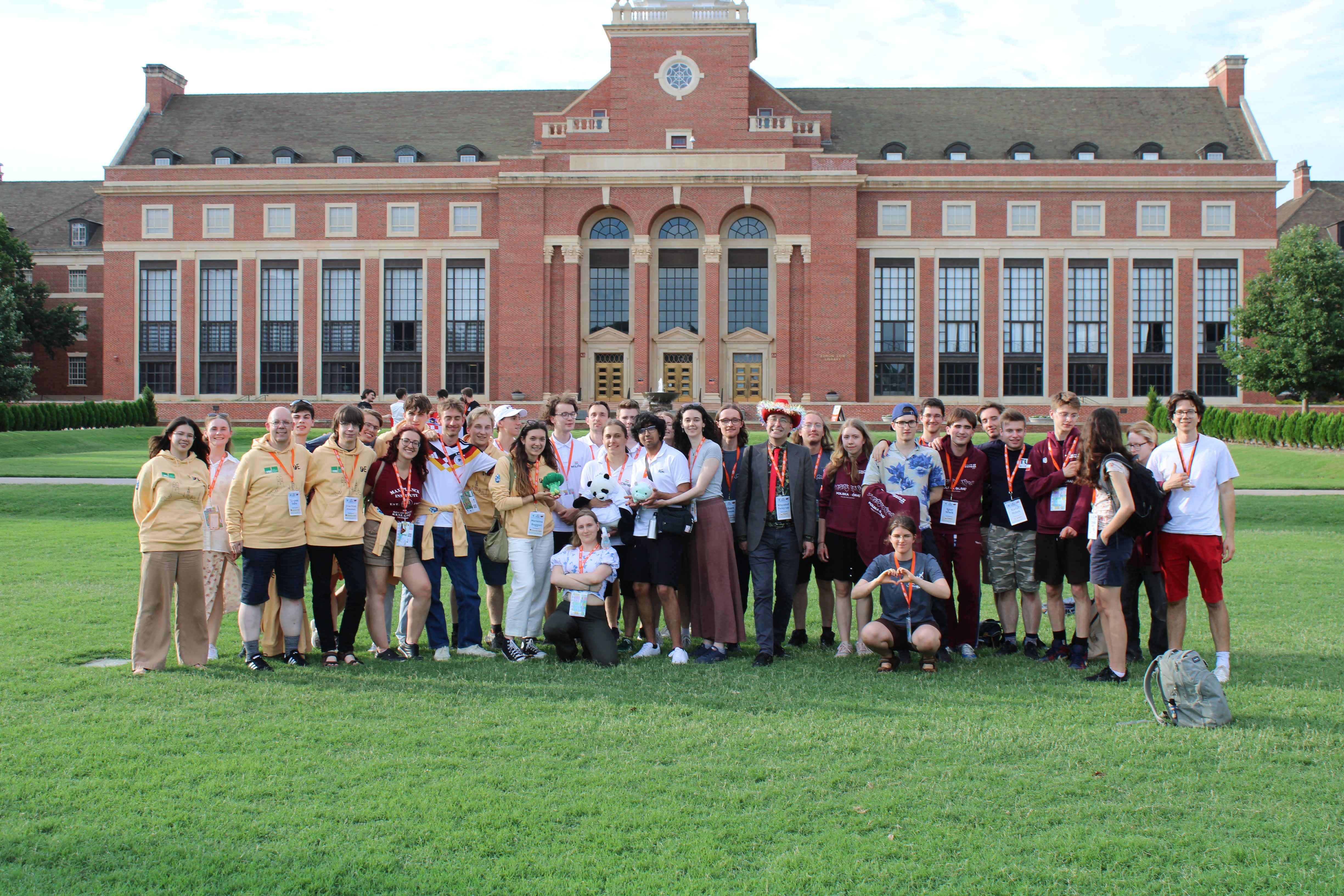
The International Physicists’ Tournament is a prestigious international team competition for physics students. This year’s edition, held from 26 to 30 May 2026 at Oklahoma State University, brought together 20 teams from around the world. Poland was represented by a team from the Faculty of Physics, University of Warsaw.
The team delivered a very strong performance, advancing to the semi-finals and placing 8th in the overall ranking. Members of the team also achieved individual distinctions: Adam Gocel received the award for the best presentation outside the main competition. At the same time, Paweł Ptaszek earned the highest score of the entire Tournament for his opposition to the solution of one of the competition problems.| Więcej
Kirk D. Atkinson visits the Faculty of Physics at the University of Warsaw.
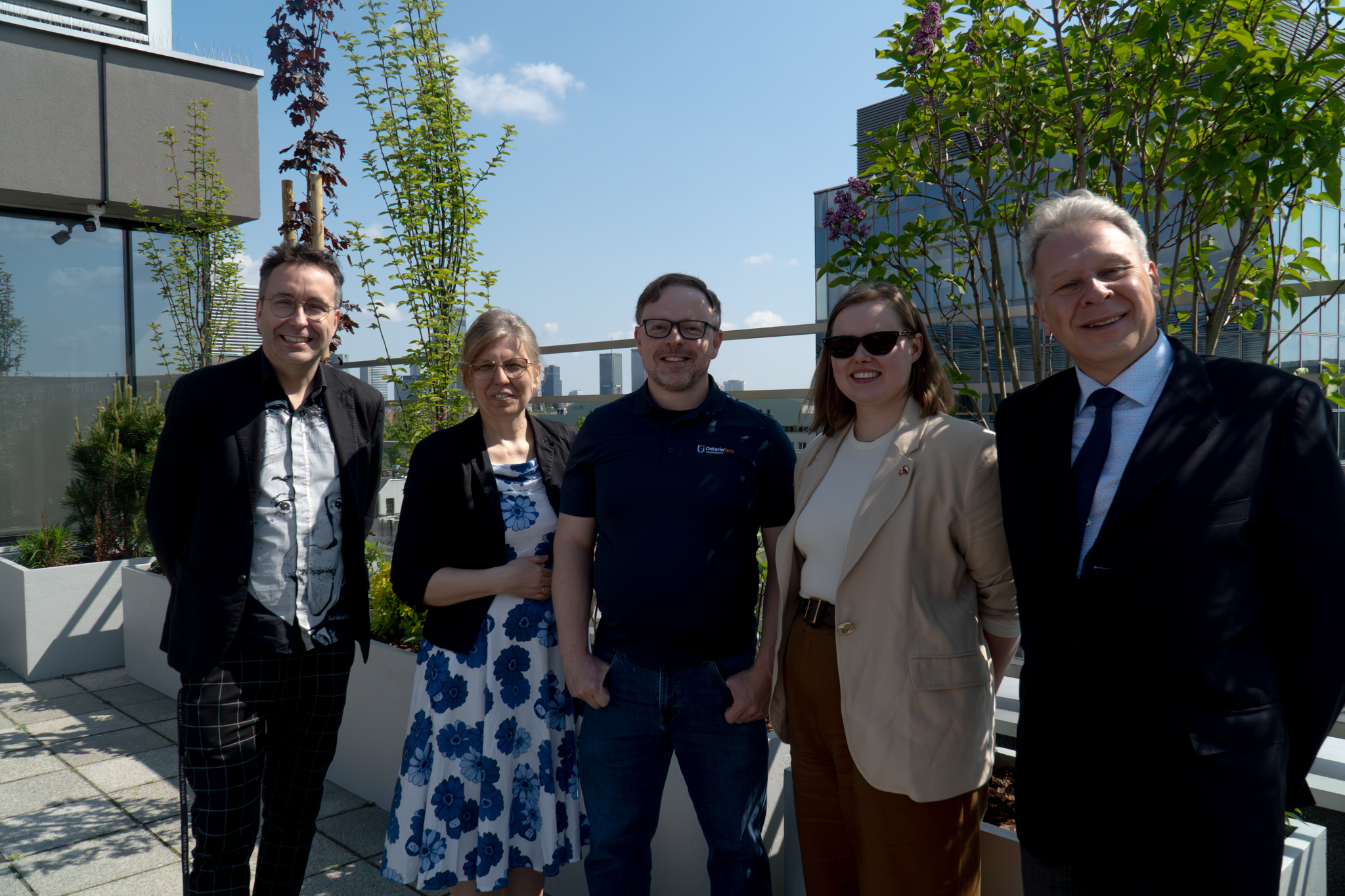
From 18 to 22 May 2026, the Faculty of Physics at the University of Warsaw hosted Prof. Kirk D. Atkinson from Ontario Tech University, Director of the Centre for Small Modular Reactors and an expert in nuclear technologies. The visit marks another step in developing international cooperation between the Faculty of Physics UW, the National Centre for Nuclear Research (NCBJ), and Ontario Tech University. | More
Analog Astronaut Conference 2026
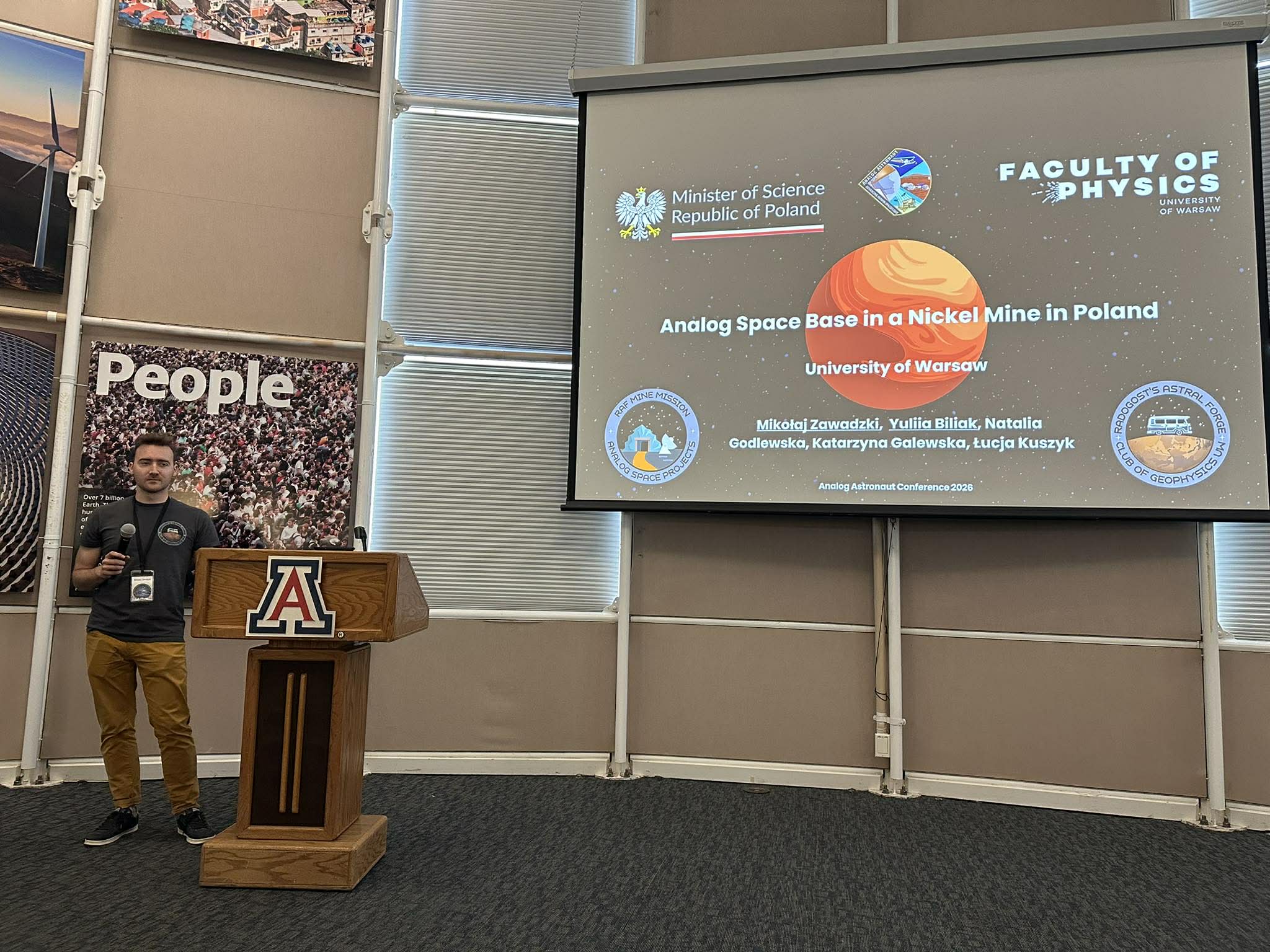
Members of the University of Warsaw Geophysics Student Association took part in the Analog Astronaut Conference 2026, held from 30 April to 3 May 2026 in Arizona, USA. The event was organised at Biosphere 2, the world’s largest and most advanced analog habitat. It brought together scientists, engineers, analog astronauts, and representatives of the space sector from many countries. | More
NUTECH 2026 at the Faculty of Physics, University of Warsaw
We invite you to participate in the International Conference on the Development and Applications of Nuclear Technologies (NUTECH 2026), which will take place from 21 to 23 September 2026 in Warsaw. This event is organized by the Institute of Nuclear Chemistry and Technology in collaboration with the Faculty of Energy and Fuels at AGH University of Science and Technology, the Faculty of Physics at the University of Warsaw, and the Polish Nuclear Society.|More
From Fullerenes to 2D Structures: A Unified Design Principle for Boron Nanostructures
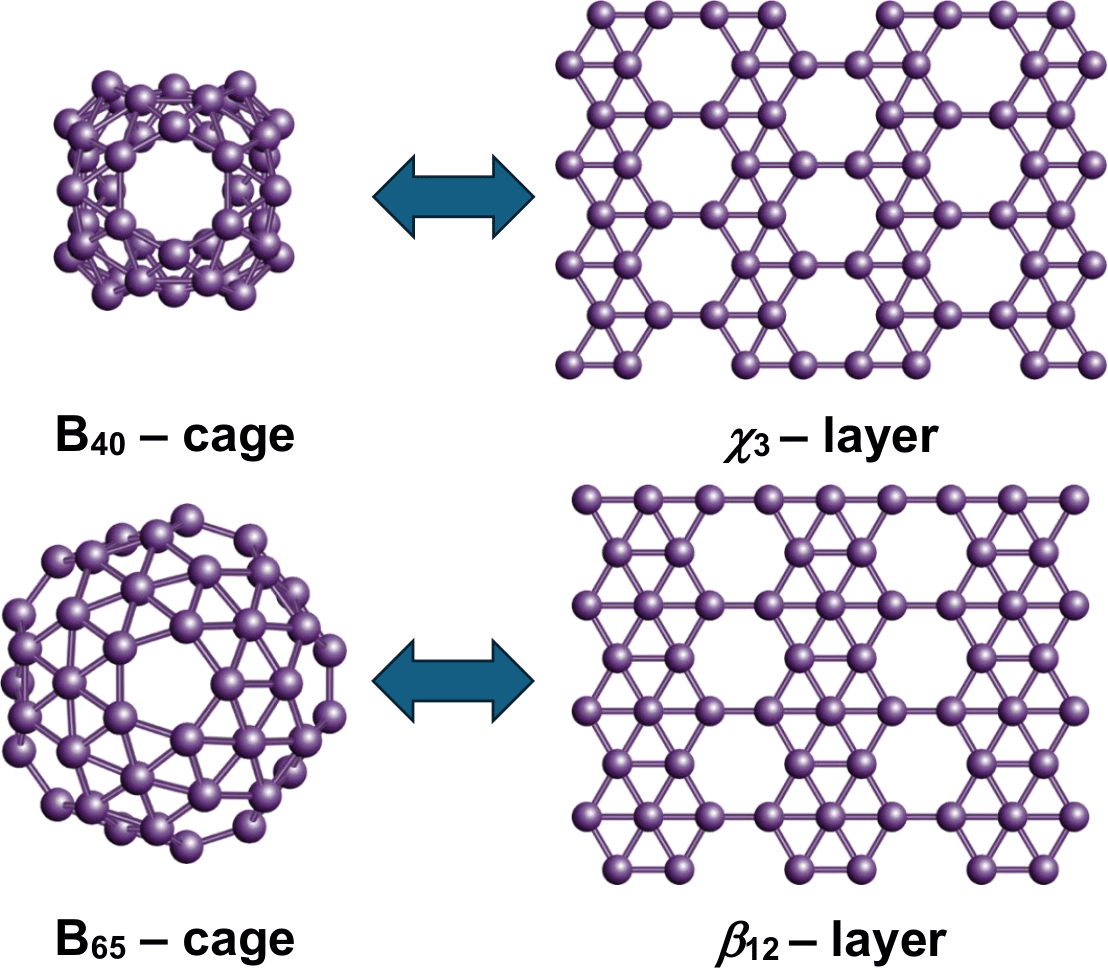
Dr. Nevill Gonzalez Szwacki from the Faculty of Physics at the University of Warsaw has developed a groundbreaking model that explains the diversity of boron nanostructures—from hollow molecular clusters to ultrathin 2D layers. His research, published in the prestigious “2D Materials”, shows that the key to the stability and electronic properties of these structures lies in the atomic coordination, the number of neighboring atoms. This discovery not only makes it possible to understand existing boron nanostructures, but also to predict and design new materials with desirable properties.| More
Rydberg-atom detector conquers a new spectral frontier
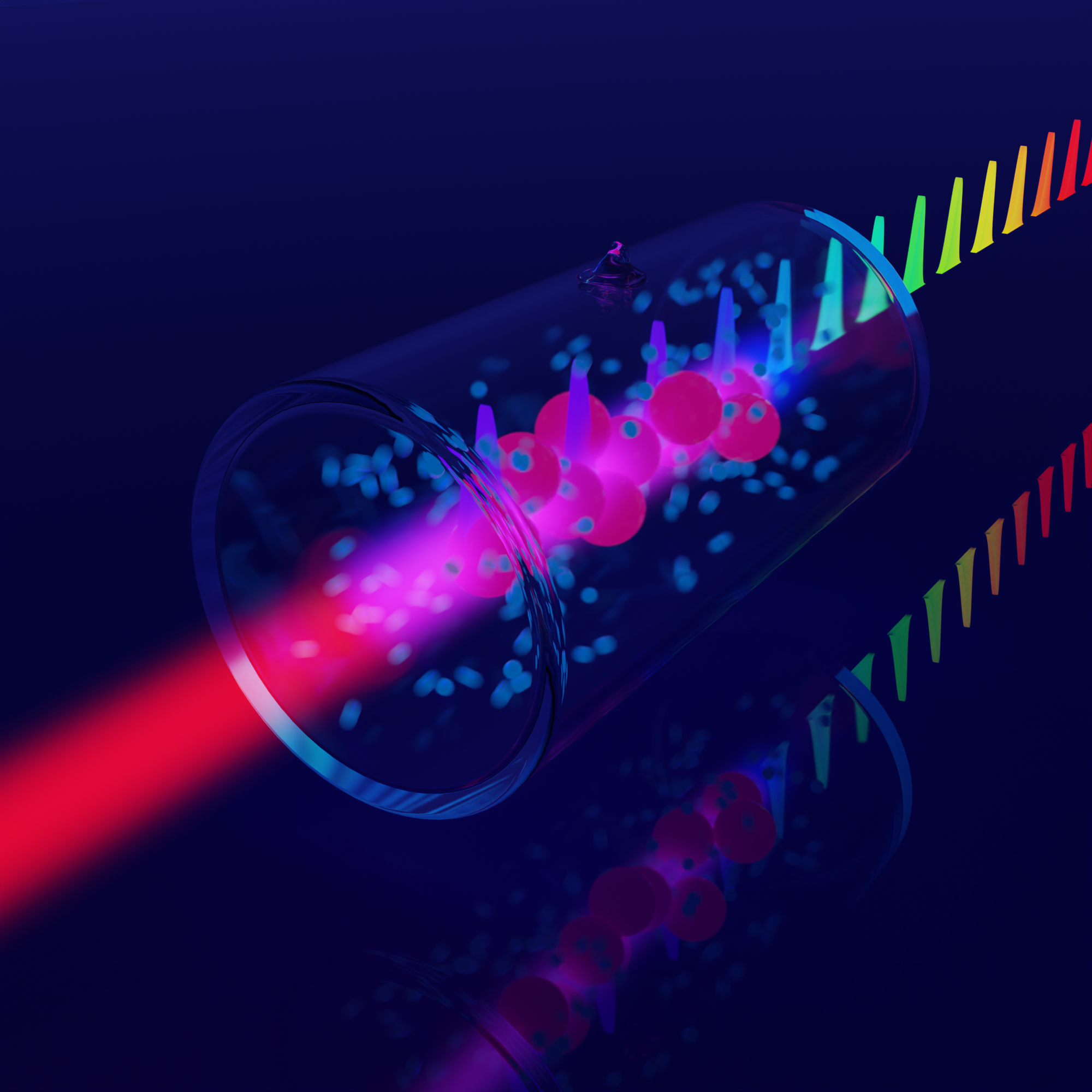
A team from the Faculty of Physics and the Centre for Quantum Optical Technologies at the Centre of New Technologies, University of Warsaw has developed a new method for measuring elusive terahertz signals using a "quantum antenna." The authors of the work utilized a novel setup for radio wave detection with Rydberg atoms to not only detect but also precisely calibrate a so-called frequency comb in the terahertz band. This band was until recently a white spot in the electromagnetic spectrum, and the solution described in the prestigious journal Optica paves the way for ultrasensitive spectroscopy and a new generation of quantum sensors operating at room temperature.| More
Student Research Groups and Research Teams Fair of the Faculty of Physics
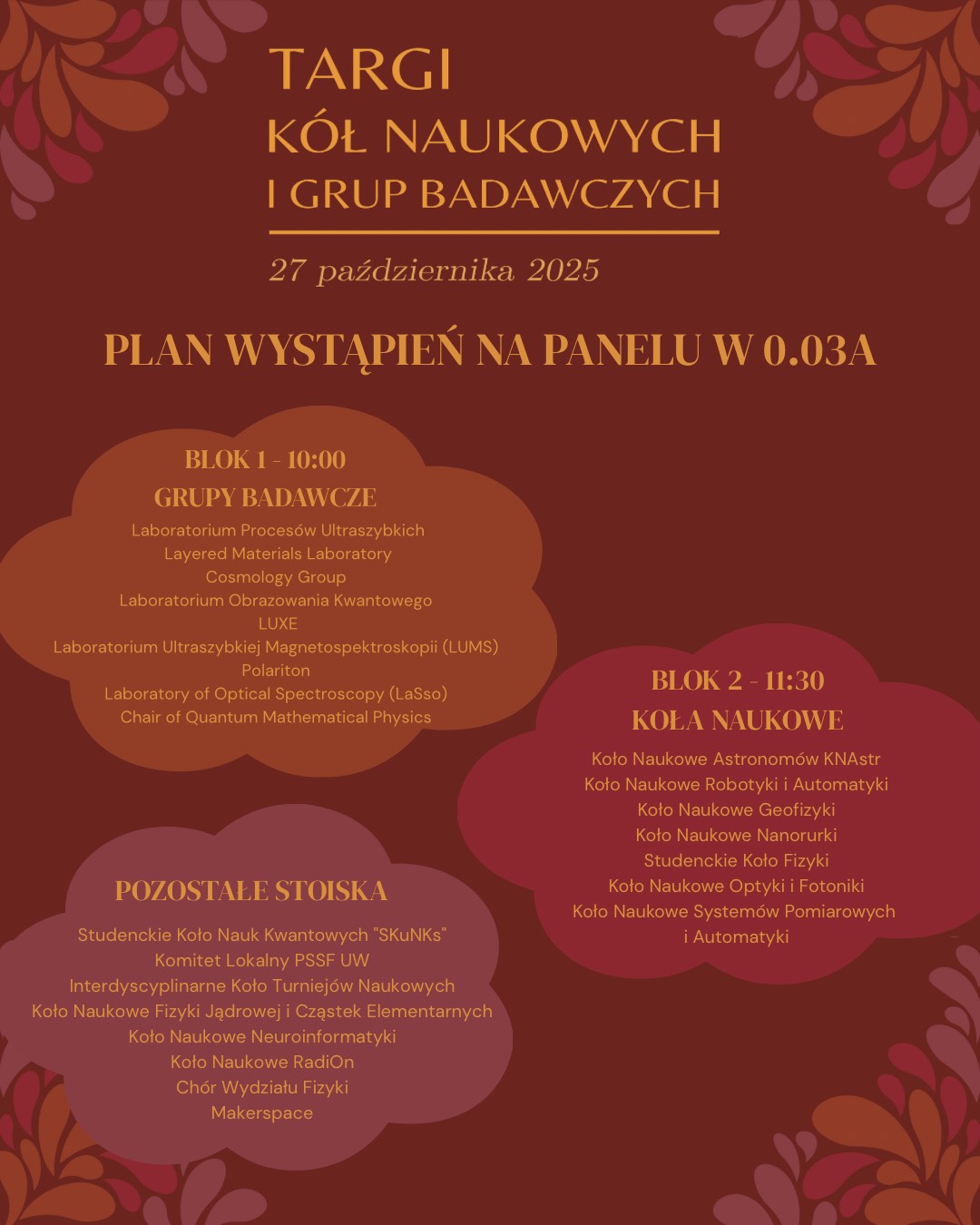
This coming Monday, 27 October, from 10:00 a.m. to 1:00 p.m., Student Research Groups and Research Teams Fair will be held in Building A of the Faculty of Physics, University of Warsaw. Organised by the Student Council of the Faculty of Physics, University of Warsaw, the event is an excellent opportunity to learn about the activities of scientific clubs, join inspiring projects and find ideas for your own research path. The event is open to all students – both those who are just starting their studies and those looking for new scientific challenges or ideas for their dissertations. | More
Drip by drip: The hidden blueprint for stalagmite growth
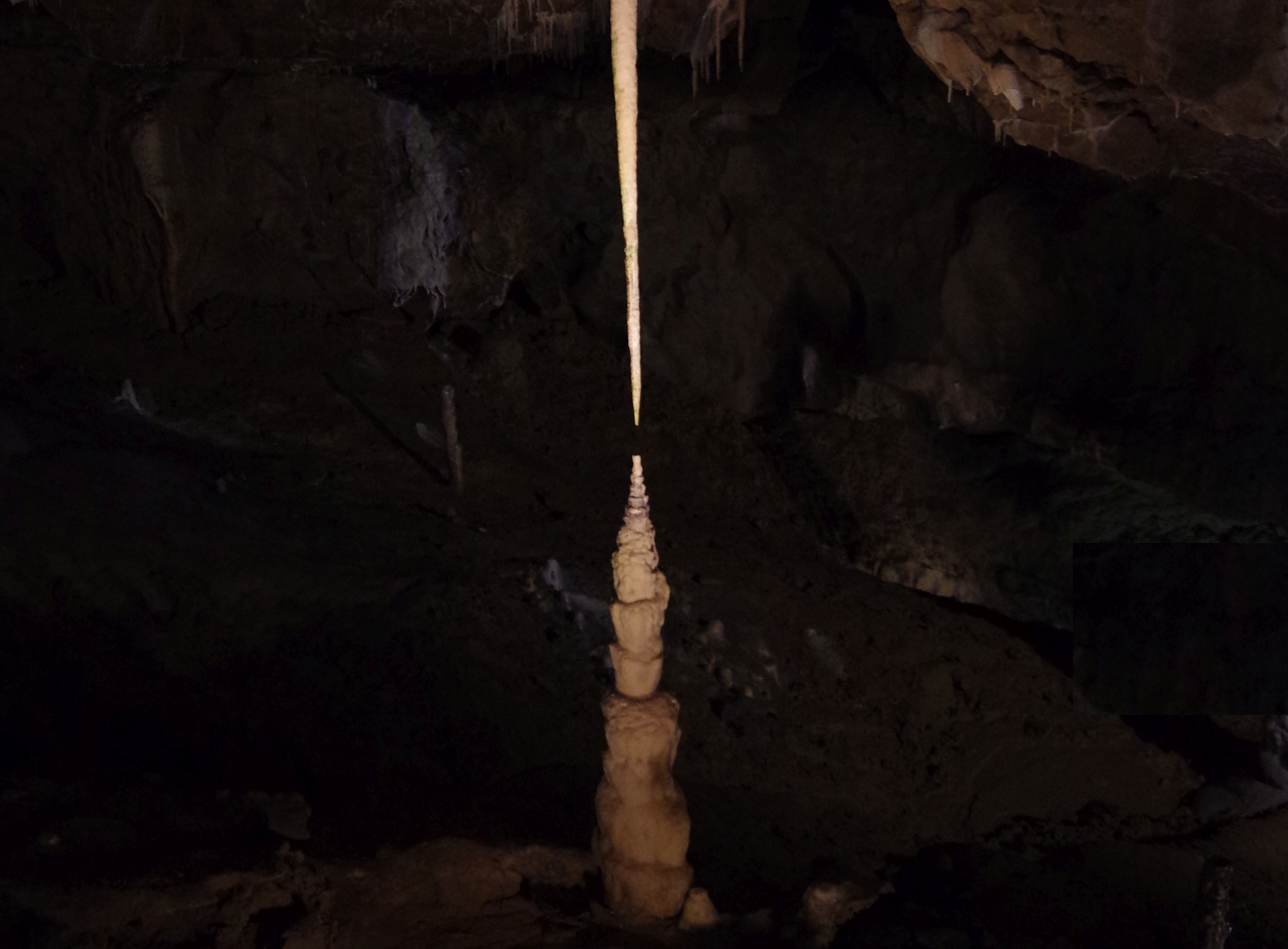
Deep inside caves, water dripping from the ceiling creates one of nature’s most iconic formations: stalagmites. These pillars of calcite, ranging from centimeters to many meters in height, rise from the cave floor as drip after drip of mineral-rich water deposits a tiny layer of stone. Beyond their beauty - echoed in fanciful nicknames like the “Minaret” or the “Wedding Cake” – stalagmites are also natural archives, recording ancient climatic changes in their layered growth, much like tree rings. But what determines the shape of a stalagmite? Why do some grow into slender cones, others into massive columns, and still others into curious flat-topped forms? A new study by researchers from Poland, the USA, and Slovenia, published in the Proceedings of the National Academy of Sciences (PNAS), provides the first complete mathematical description of stalagmite shapes.| More
Quantum radio antenna
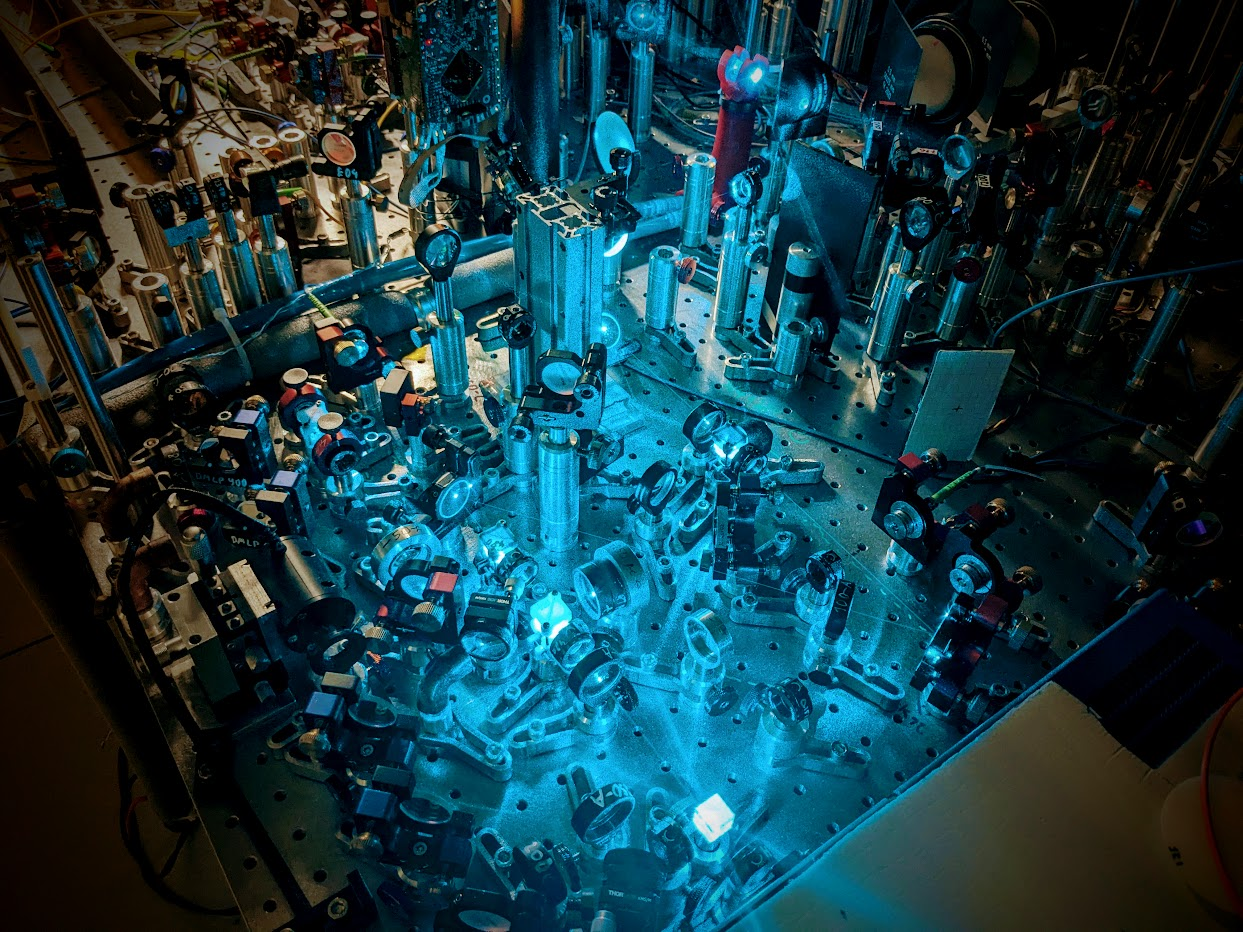
A team from the Faculty of Physics and the Centre for Quantum Optical Technologies, Centre of New Technologies at the University of Warsaw has developed a new type of all-optical radio receiver based on the fundamental properties of Rydberg atoms. The new type of receiver is not only extremely sensitive, but also provides internal calibration, and the antenna itself is powered only by laser light. The results of the work, in which Sebastian Borówka, Mateusz Mazelanik, Wojciech Wasilewski and Michał Parniak participated, were published in the prestigious journal Nature Communications. They open a new chapter in the technological implementation of quantum sensors.| More
A scientist from the University of Warsaw’s Faculty of Physics will head a new MAB Centre of Excellence

One of the four selected projects is the Centre of Excellence for Structured Optical Fibres and Applications (SOWA), which will be established at the Faculty of Physics of the University of Warsaw. The new unit will be headed by Professor Ryszard Buczyński, Deputy Director of the Institute of Geophysics at the Faculty of Physics, University of Warsaw. Under the MAB FENG programme, support is provided for the creation or development of specialized, world-leading research teams capable of achieving scientific excellence and international competitiveness. The total amount of funding awarded in this call reached nearly PLN 120 million. Out of 23 submitted proposals, four projects were selected for funding – three to be implemented in Warsaw and one in Poznań.| More
Delegation from Baden-Württemberg visited our Faculty
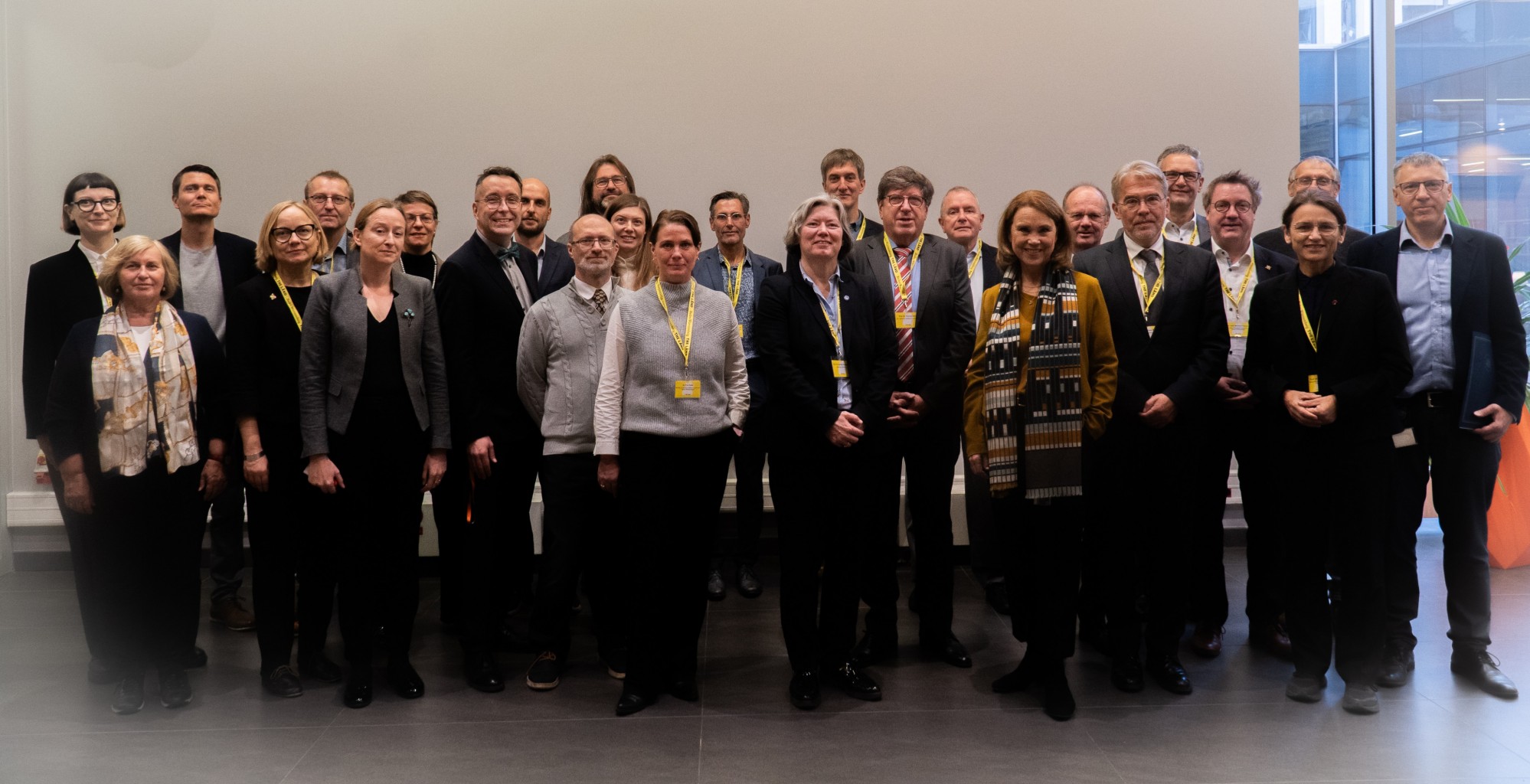
On 7 October 2025, the Faculty of Physics, University of Warsaw, hosted a delegation from Baden-Württemberg led by Petra Olschowski, Minister of Science, Research and the Arts of the federalstate. The delegation included members of the Baden-Württemberg Parliament as well asrepresentatives of leading universities and research institutions from the region. The visit providedan excellent opportunity to exchange experiences, present the scientific achievements andresearch infrastructure of the Faculty of Physics, and strengthen cooperation with universities andresearch institutions in Baden-Württemberg.| More
Amplifying collective light emission with atomic interactions

A team of physicists from the Faculty of Physics at the University of Warsaw, the Centre for New Technologies at the University of Warsaw (Poland), and Emory University (Atlanta, USA) analysed how atoms’ mutual interactions change the way they collectively interact with light. In a paper just published in Physical Review Letters, the researchers extend established models of this phenomenon. By showing that direct atom-atom interactions can strengthen a collective burst of light known as superradiance, the team points to new opportunities for quantum technologies.| More
Nobel Prize in Physics 2025 for the discovery of macroscopic quantum tunneling and energy quantization in an electric circuit
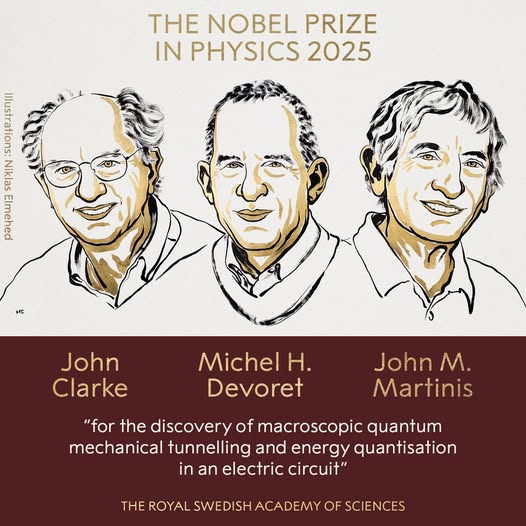
This year’s Nobel Prize in Physics has been awarded to:
John Clarke of the University of California, Berkeley, USA;
Michel H. Devoret of Yale University, New Haven, CT, USA;
and John M. Martinis of the University of California, Santa Barbara, CA, USA.The 2025 Nobel Prize in Physics was awarded “for the discovery of macroscopic quantum tunneling and the quantization of energy in an electrical circuit.”.| More
Next-Generation Quantum Communication
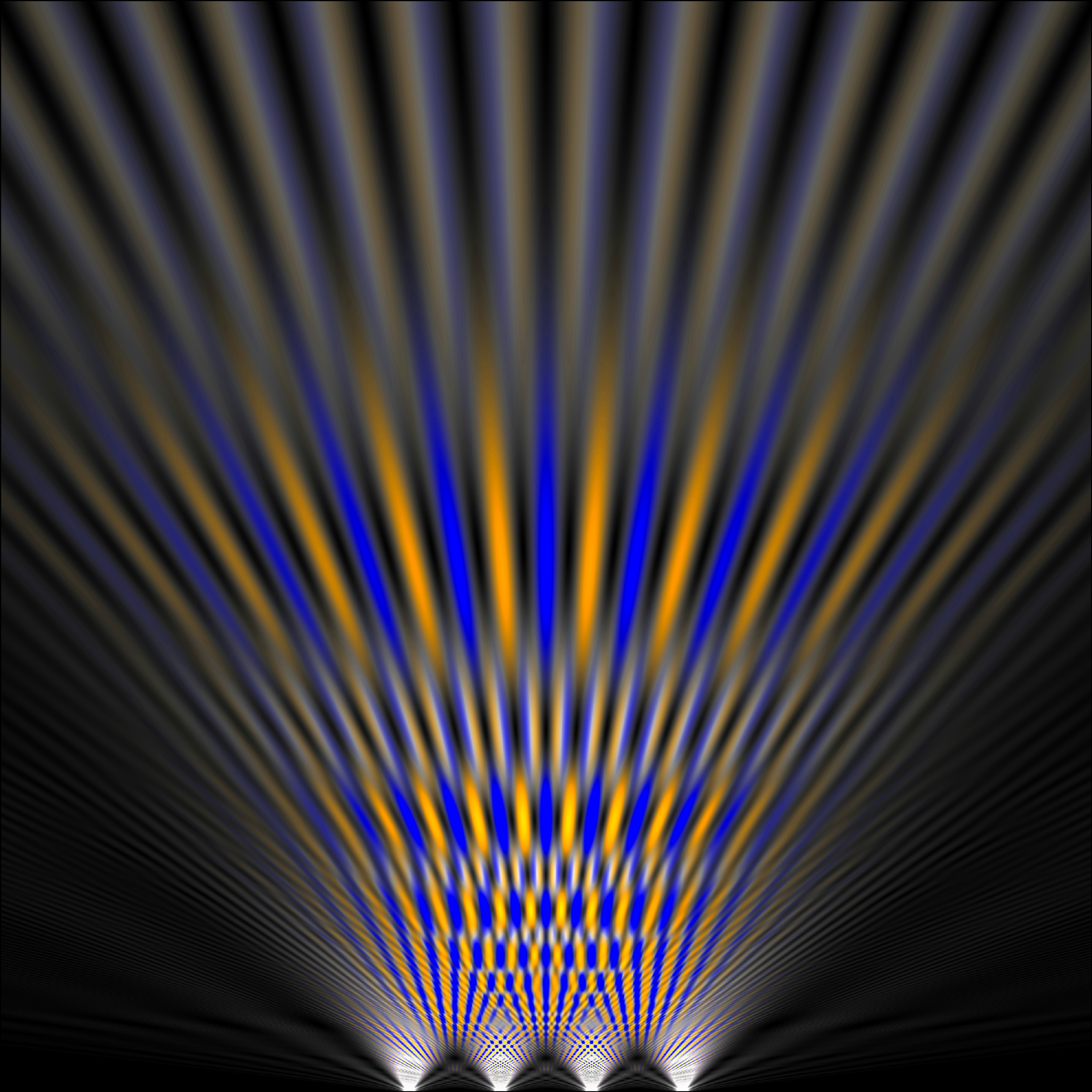
In the era of instant data exchange and growing risks of cyberattacks, scientists are seeking secure methods of transmitting information. One promising solution is quantum cryptography – a quantum technology that uses single photons to establish encryption keys. A team from the Faculty of Physics at the University of Warsaw has developed and tested in urban infrastructure a novel system for quantum key distribution (QKD). The system employs so-called high-dimensional encoding. The proposed setup is simpler to build and scale than existing solutions, while being based on a phenomenon known to physicists for nearly two centuries – the Talbot effect. The research results have been published in prestigious journals: “Optica Quantum”, “Optica”, and “Physical Review Applied”. | More
Gravitino, a new candidate for Dark Matter
Dark Matter remains one of the biggest mysteries in fundamental physics. Many theoretical proposals (axions, WIMPs) and 40 years of extensive experimental search failed to provide any explanation of the nature of Dark Matter. Several years ago, in a theory unifying particle physics and gravity, new, radically different Dark Matter candidates were proposed, superheavy charged gravitinos. Very recent paper in Physical Review Research by scientists from the University of Warsaw and Max Planck Institute for Gravitational Physics, shows how new underground detectors, in particular JUNO detector starting soon to take data, even though designed for neutrino physics, are also extremely well suited to eventually detect charged Dark Matter gravitinos. The simulations combining two fields, elementary particle physics and very advanced quantum chemistry, show that the gravitino signal in the detector should be unique and unambiguous. | More
Making the invisible visible: a new way to boost light emission at the nanoscale
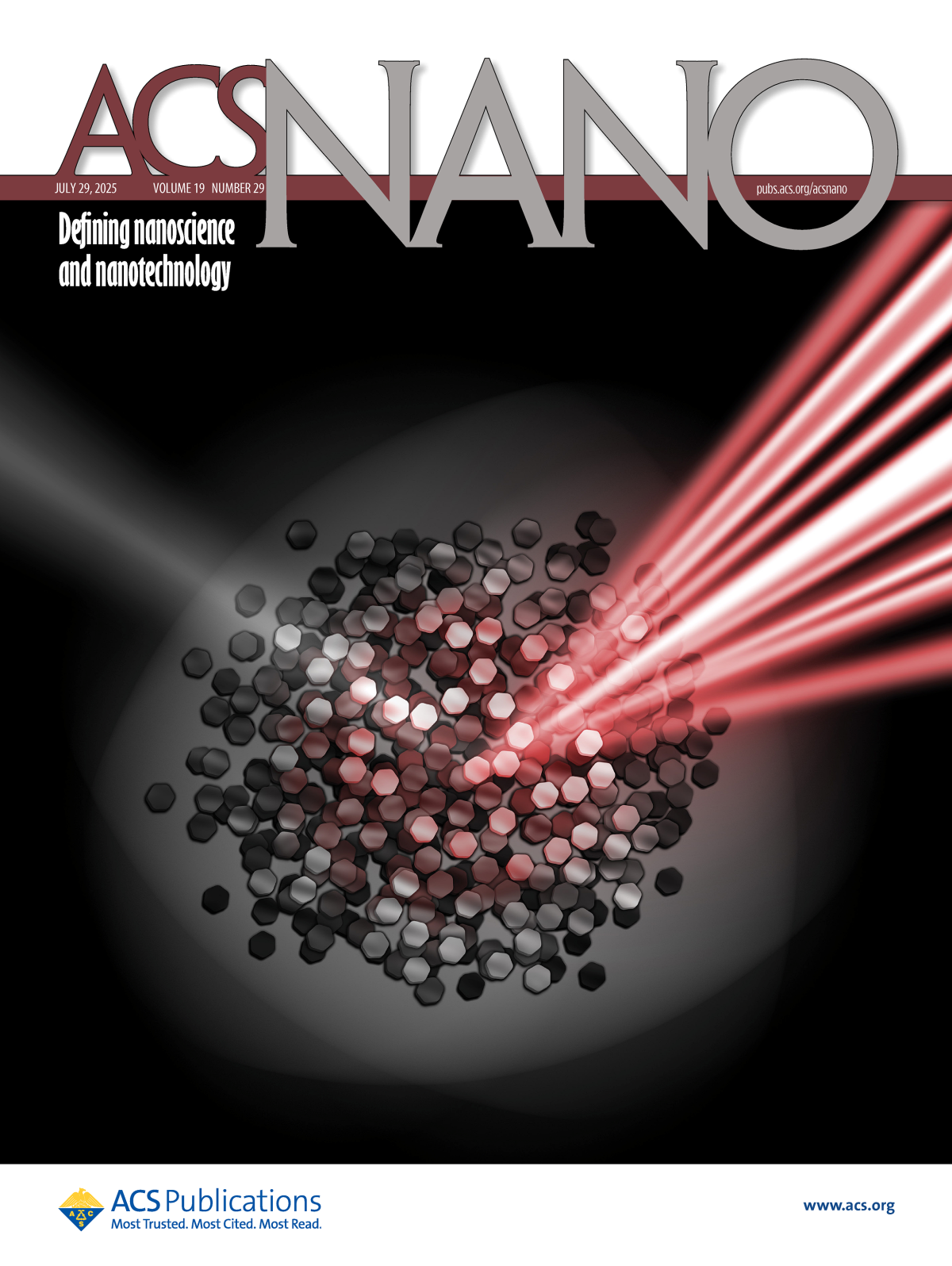
Light still holds surprises – as demonstrated by researchers from the Ultrafast Phenomena Lab at the Faculty of Physics, University of Warsaw, in collaboration with the Institute of Low Temperature and Structure Research, Polish Academy of Sciences, who have discovered a new enhancement effect in the emission of upconverting nanoparticles. They demonstrated that simultaneous excitation of these nanostructures with two near-infrared beams of laser light leads to a significant increase in emission intensity. Under carefully chosen conditions, visible emission emerges only when both beams are applied together, even though neither beam alone produces any emission at all. This discovery paves the way for visualizing infrared radiation beyond the sensitivity range of standard detectors. The findings, potentially applicable in microscopy and photonic technologies, have been published in the prestigious journal “ACS Nano”. | More
Polish physicists co-discover “lonely” spinons - a new step towards quantum technologies

Researchers from the Faculty of Physics at the University of Warsaw and the University of British Columbia have described how a so-called lone spinon - an exotic quantum excitation that is a single unpaired spin - can arise in magnetic models. The discovery deepens our understanding of the nature of magnetism and could have implications for the development of future technologies such as quantum computers and new magnetic materials. The findings were published in the renowned journal “Physical Review Letters.”. | More
New photonic platform developed by Polish research team
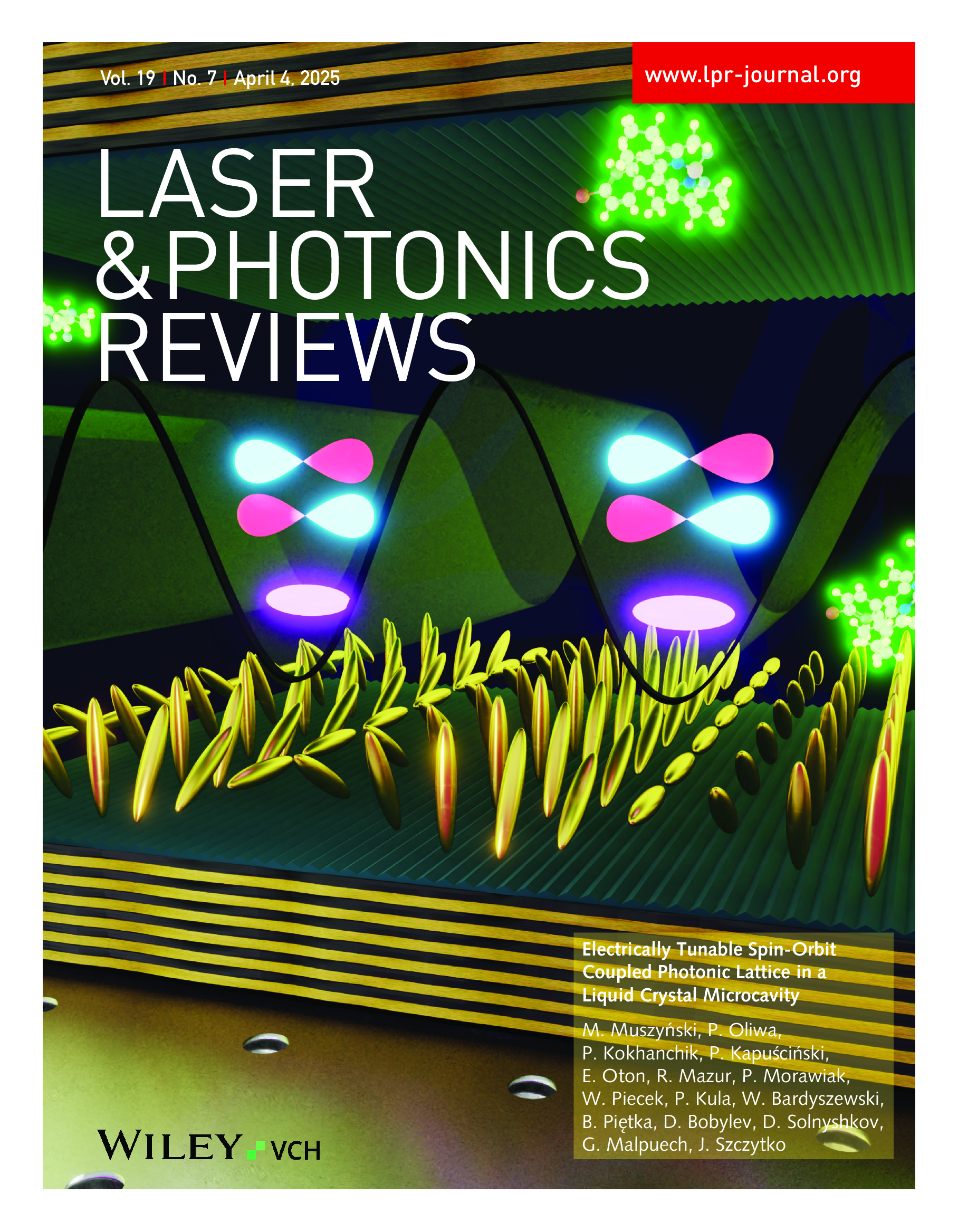
A team of researchers from the Faculty of Physics at the University of Warsaw, the Military University of Technology, and the Institut Pascal at Université Clermont Auvergne has developed a novel method for using cholesteric liquid crystals in optical microcavities. The platform created by the researchers enables the formation and dynamic tuning of photonic crystals with integrated spin-orbit coupling (SOC) and controlled laser emission. The results of this groundbreaking research have been published in the renowned journal “Laser & Photonics Reviews”. | More
A drop hollows out the stone... and records the climate's history
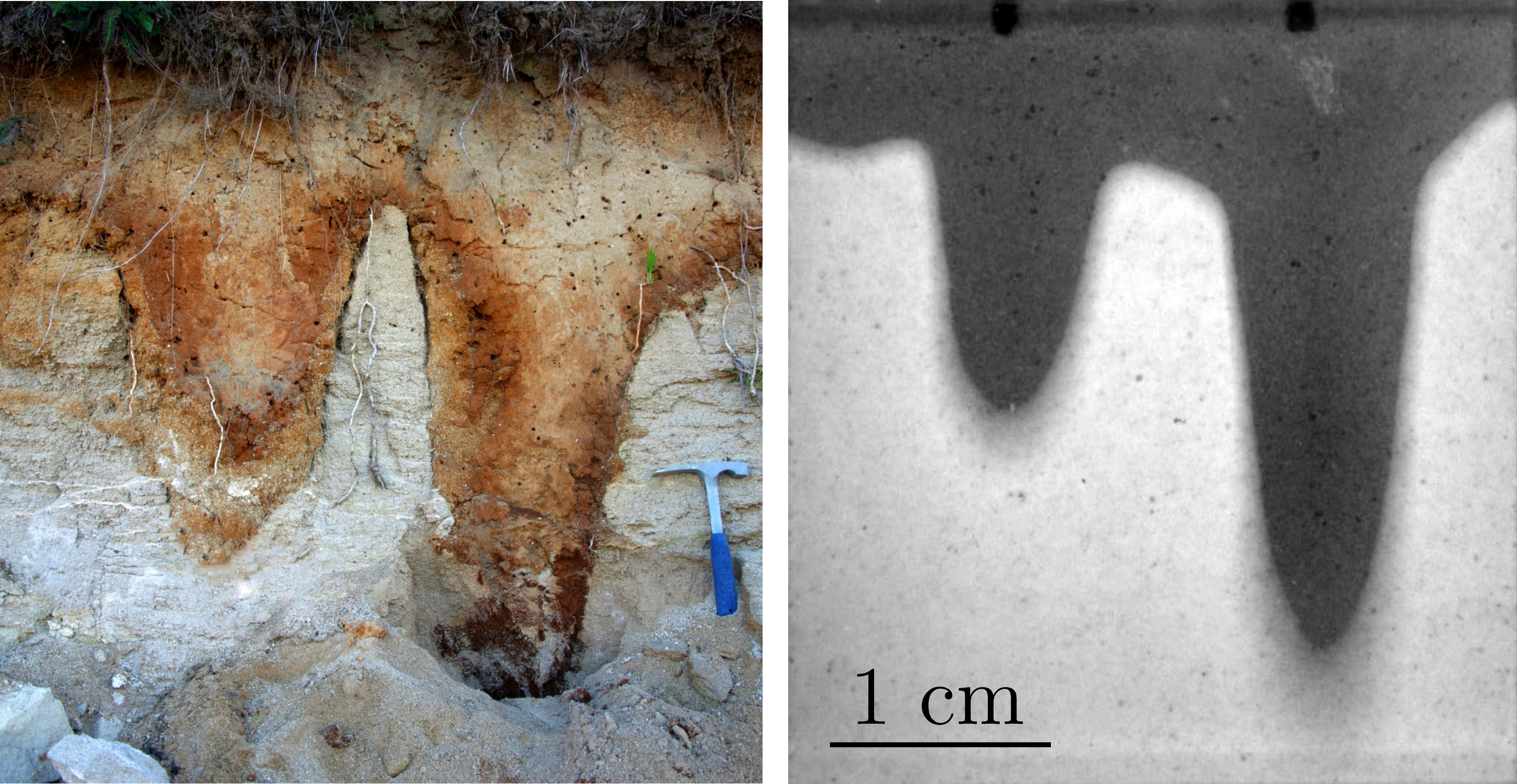
Water reshapes the Earth through slow, powerful erosion, carving intricate landscapes like caves and pinnacles in soluble rocks such as limestone. An international team from the Faculty of Physics at the University of Warsaw, the University of Florida, and the Institute of Earth Sciences in Orléans has discovered that vertical channels, known as karstic solution pipes, preserve a record of Earth’s climatic history. Their study, published in Physical Review Letters, reveals that these pipes evolve with time into an invariant shape, a fixed, ideal form that remains unchanged as the pipes deepen, encoding ancient rainfall patterns. | More
Quantum control of collisions beyond ultralow temperatures
At ultracold temperatures, interatomic collisions are relatively simple, and their outcome can be controlled using a magnetic field. However, research by scientists led by Prof. Michal Tomza from the Faculty of Physics of the University of Warsaw and prof. Roee Ozeri from the Weizmann Institute of Science shows that this is also possible at higher temperatures. The scientists published their observations in the scientific journal “Science Advances”. | More
From classical hydrodynamics to quantum hydrodynamics and back again – how the Navier-Stokes equations describe quantum systems

Although the Navier-Stokes equations are the foundation of modern hydrodynamics, adopting them to quantum systems has so far been a major challenge. Researchers from the Faculty of Physics at the University of Warsaw, Maciej Łebek, M.Sc. and Miłosz Panfil, Ph.D., Prof. UW, have shown that these equations can be generalised to quantum systems, specifically quantum liquids in which the motion of particles is restricted to one dimension. This discovery opens up new avenues for research into transport in one-dimensional quantum systems. The paper, published in the prestigious Physical Review Letters, was awarded an ‘editors’ suggestion'. | More
A new class of cosmic X-ray sources discovered
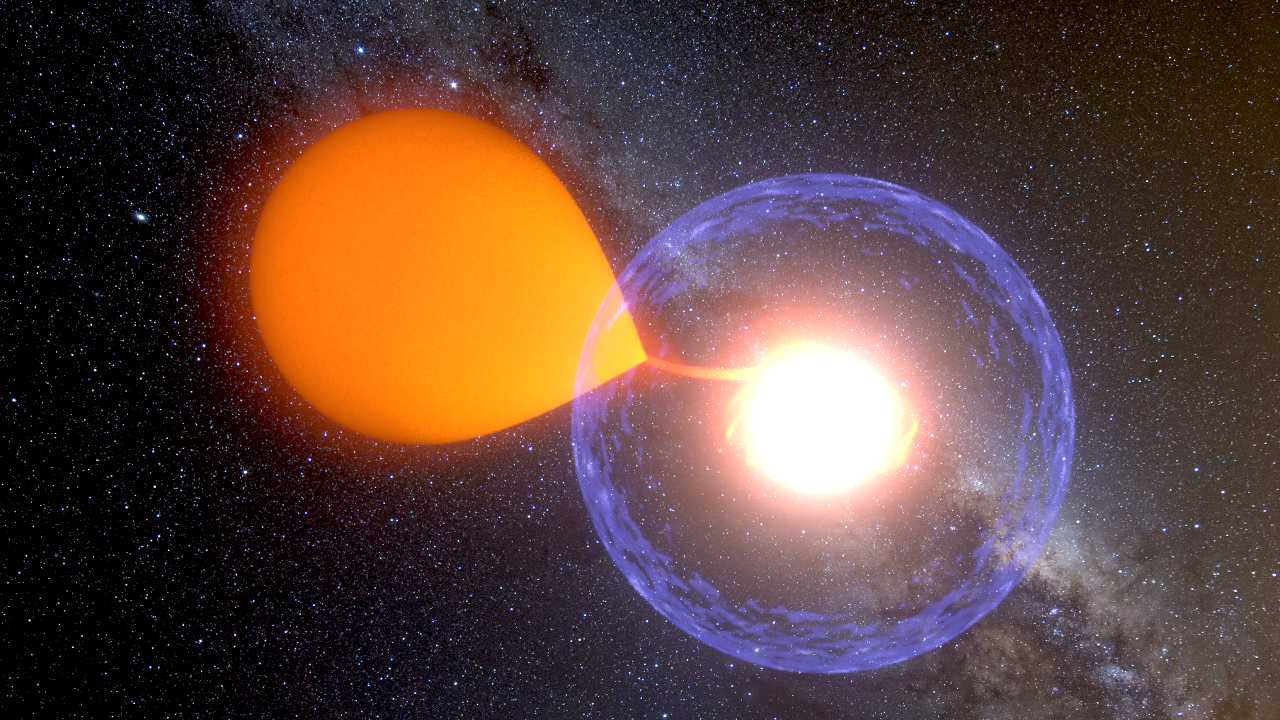
An international team of astronomers, led by researchers from the Astronomical Observatory of the University of Warsaw, have identified a new class of cosmic X-ray sources. The findings have been published in „Astrophysical Journal Letters”. | More
Upcoming events








Research Highlights
Defect-Induced Single-Photon Emission in ZnPS3
N. Zawadzka, D. Litvinov, S. Kwast, D. Baranov, M. Rösner, M. R. Molas, M. Koperski, M. Grzeszczyk
ACS NANO 25, 17962 (2026)
10.1021/acsnano.5c19936
N. Zawadzka, D. Litvinov, S. Kwast, D. Baranov, M. Rösner, M. R. Molas, M. Koperski, M. Grzeszczyk
ACS NANO 25, 17962 (2026)
10.1021/acsnano.5c19936
Under pressure: Poroelastic regulation of flow in espresso brewing
R. Waszkiewicz, F. Myck, Ł. Białas, M. Puciata-Mroczynska, M. Dzikowski, P. Szymczak, M. Lisicki
Physics of Fluids 38, 063113 (2026)
10.1063/5.0319611
R. Waszkiewicz, F. Myck, Ł. Białas, M. Puciata-Mroczynska, M. Dzikowski, P. Szymczak, M. Lisicki
Physics of Fluids 38, 063113 (2026)
10.1063/5.0319611
Generalized Gross-Pitaevskii Equation for 2D Bosons with Attractive Interactions
M. Suchorowski, F. Brauneis, H.-W. Hammer, M. Tomza, A. G. Volosniev
Phys. Rev. Lett. 136, 243402 (2026)
10.1103/2831-t3jk
M. Suchorowski, F. Brauneis, H.-W. Hammer, M. Tomza, A. G. Volosniev
Phys. Rev. Lett. 136, 243402 (2026)
10.1103/2831-t3jk
Charge exchange dynamics in cold collisions of 40CaH+ and 39K
S. Patel, D. Sardar, J. Saraladevi, M. Tomza, K. R. Brown
J. Phys. Chem. Lett. 17, 6574 (2026)
10.1021/acs.jpclett.6c00828
S. Patel, D. Sardar, J. Saraladevi, M. Tomza, K. R. Brown
J. Phys. Chem. Lett. 17, 6574 (2026)
10.1021/acs.jpclett.6c00828
"Direct observation of the superallowed α-decay of 104Te"
I. Cox, R. Grzywacz, (...), C. Mazzocchi, (...), A. Korgul, (...), A. Skruch, et. al.
Nature (2026)
10.1038/s41586-026-10581-w
I. Cox, R. Grzywacz, (...), C. Mazzocchi, (...), A. Korgul, (...), A. Skruch, et. al.
Nature (2026)
10.1038/s41586-026-10581-w



Upcoming Conferences & Events
VI Ogólnopolska Konferencja „Fizyka Medyczna – Farmacja Fizyczna”
Wydział Farmaceutyczny UW, Warszawa, 2 października 2026 r.